REVIEW · MALTA
Pastizzi Making Experience in Malta
Book on Viator →Operated by A Pastizzi Experience · Bookable on Viator
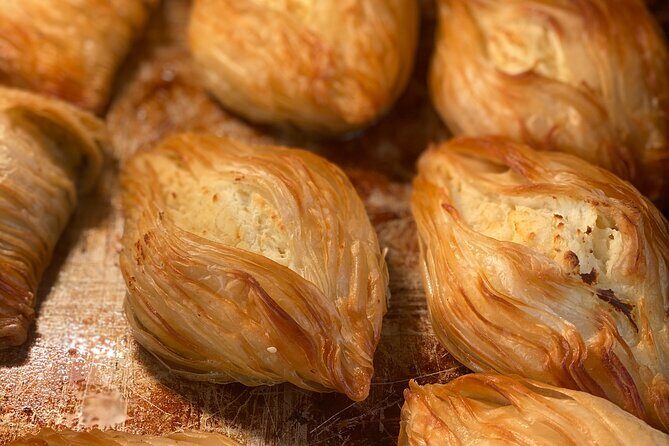
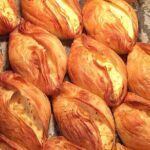
Pastizzi taste better when you make them. In Sliema, this small-group class invites you into a home kitchen for a hands-on lesson in hand-made pastizzi, plus the story behind why this snack matters. You’ll learn how the dough gets shaped, how the fillings work, and then you get to eat what you bake.
I really like two things here: the max 8-person setup means you’re not stuck watching from the side, and you get to practice a family-style method you can repeat later with the two staple fillings—ricotta and curried pea. It’s snack-making with real instruction, not just a demo.
One possible drawback: it’s a compact 2-hour experience, so if you’re hoping for a long, sightseeing-heavy day, this is more about cooking than roaming.
In This Review
- Key highlights to know before you go
- A Sliema Home Kitchen for Handmade Pastizzi
- Getting Oriented: Location and What the 2 Hours Really Feels Like
- The Core Lesson: From Dough to Your Own Pastizzi Shapes
- Ricotta and Curried Pea: Two Fillings That Define the Snack
- The Fun Part: Beating the Fastest Pastizzi Maker Challenge
- The Finish: Freshly Baked Pastizzi and the Real Reward
- Price and Value: Is $52.09 Worth It?
- Who This Works Best For
- Practical Tips to Get More Out of Your Pastizzi Class
- Should You Book This Pastizzi Making Experience?
- FAQ
- How long is the Pastizzi making experience?
- Where does the experience start?
- What is the group size limit?
- What fillings will you learn to make?
- Will I receive a mobile ticket?
- What is the cancellation policy?
Key highlights to know before you go
- A real working kitchen in Sliema: you learn at the source, not in a food-market stall
- Handmade dough technique practice: you replicate the traditional steps yourself
- Two core fillings: you focus on ricotta and curried pea as the Maltese standards
- A speed challenge vibe: you try to beat the world-record style goal for the fastest maker
- Fresh pastizzi to finish: you end by eating what you bake
- Small group (max 8): more time for questions and hands-on coaching
A Sliema Home Kitchen for Handmade Pastizzi
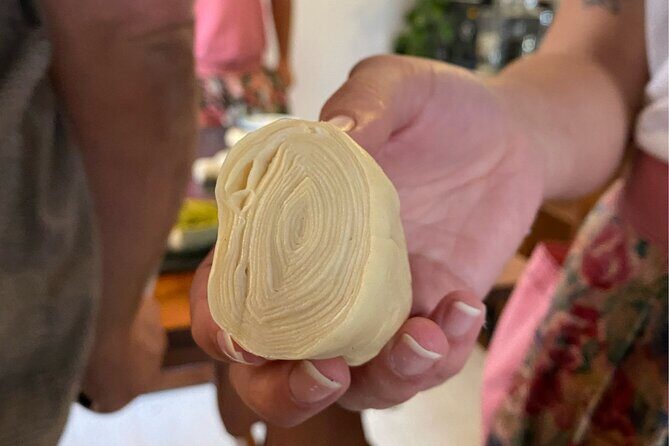
If you’ve eaten pastizzi in Malta and wondered what makes them so good, this is the kind of experience that answers the question fast. Instead of treating pastizzi like a mystery box, you get pulled up into the kitchen and taught the process step-by-step. The whole point is learning the technique—because yes, pastizzi are still made by hand.
I like that the host frames the class as both food and tradition. You’re not just making snacks; you’re learning why the snack is a Maltese habit in the first place, and how family methods carry that forward. One of the strongest impressions from the host style in the reviews is how welcoming and patient the teaching is, especially with first-timers. Michela (also mentioned as Miki/Michaela in reviews) comes across as the kind of person who wants you to succeed, not just to watch.
Group size matters here. With a maximum of 8 travelers, you get the chance to actually touch the dough, shape the pastizzi, and ask questions while things are still fresh—literally and figuratively. If you’re the type of traveler who wants to do more than take photos, this fits your style.
Other wine, food and cooking experiences we've reviewed in Malta


Getting Oriented: Location and What the 2 Hours Really Feels Like
The meeting point is at 39 Triq Tal – Katidral, Tas-Sliema, Malta, and the activity ends back at the meeting point. The duration is about 2 hours, so you should plan for a focused block of time rather than a casual stop.
A few practical things help you enjoy it more:
- Arrive with enough slack to get inside and settle. Working kitchens run on timing.
- Go hungry. The class ends with you munching on freshly baked pastizzi.
- Expect a hands-on flow. This isn’t a sit-and-listen talk, and the pace reflects that.
Because it’s near public transportation, you don’t have to build your entire day around private transfers. In a place like Malta, that flexibility matters. Also, the group cap of 8 helps keep the kitchen from feeling overcrowded, so the experience stays personable.
The Core Lesson: From Dough to Your Own Pastizzi Shapes
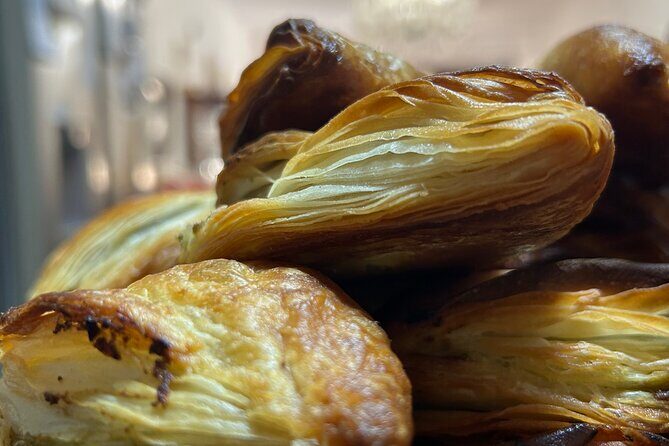
Once you’re in the kitchen and the aprons are on, the main focus becomes making pastizzi dough using traditional techniques. The experience description makes a big deal of the fact that the process is considered an art, and that matches the way these classes usually work best: the steps matter.
Here’s what you can expect in the working rhythm:
- You’ll learn the secrets behind the perfect pastizzi.
- You’ll practice shaping and preparing the dough so you can repeat the technique later.
- You’ll follow along through the method rather than just getting a final cooked piece handed to you.
This kind of structure is valuable because it trains your eye. Once you’ve shaped and filled pastizzi yourself, you’ll start noticing what you used to ignore when eating them—thickness, handling, and the way the dough behaves around the filling.
And because the teaching is in a real home setting, you also get a more personal explanation style. Reviews highlight patience and a friendly approach, which is exactly what you want when you’re learning a food technique you’ve never done before.
Ricotta and Curried Pea: Two Fillings That Define the Snack
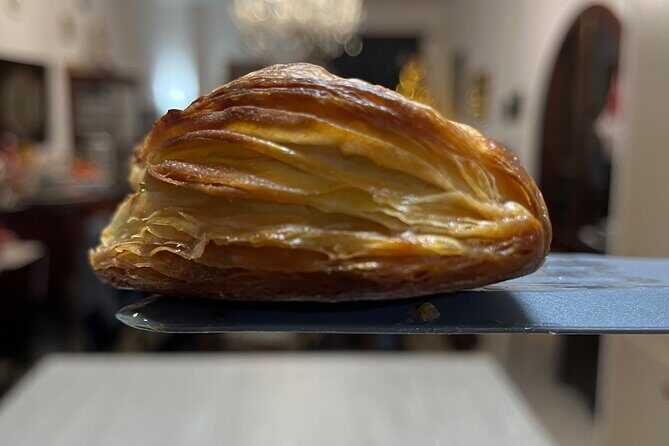
Pastizzi in Malta isn’t a one-filling story. In this class, you concentrate on two staple options: ricotta and curried pea. That matters because these are not random add-ons; they’re part of what makes pastizzi recognizable and, frankly, what makes people argue about what tastes best.
In a workshop like this, focusing on the core fillings gives you:
- A clear starting point (you learn what to buy and what to aim for)
- A real comparison (sweet-leaning vs. savory-spiced, depending on how each one lands for you)
- A skill you can use again later, instead of memorizing a one-off recipe
I like that the class treats fillings as part of the learning, not just the final step. If you’re the kind of foodie who wants to understand how flavors and textures connect, this is a strong choice. You get to taste the difference while you’re still in the learning mindset.
The Fun Part: Beating the Fastest Pastizzi Maker Challenge
Not every cooking class tries to make a game out of technique. Here, the description says you’ll also learn about a challenge to beat a world record for the fastest pastizzi maker.
Even if you don’t take the record part seriously, the idea is smart. Speed challenges do two helpful things:
- They force repetition, which makes your hands better faster.
- They keep energy up, so the lesson doesn’t feel like a slow lecture.
You’ll be working in the same timeframe as everyone else, so it helps you develop confidence in the steps. And if you’re traveling with friends or family, it creates an easy shared moment: everyone compares how quickly they can produce a good-looking pastizzi.
There’s also a psychological benefit. Cooking workshops can be intimidating if you think you’re not good at them. A friendly speed challenge turns it into a team activity, not a test.






The Finish: Freshly Baked Pastizzi and the Real Reward
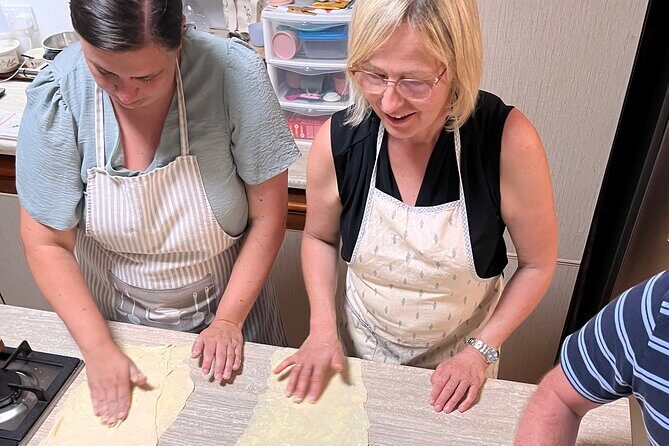
The class ends with you munching away at freshly baked pastizzi. That ending matters more than you might think.
In many food experiences, the tasting happens after you’ve lost momentum. Here, you’re still in the middle of the process, which makes the first bite more informative. You can connect:
- What your hands did during shaping
- How the filling behaved inside the dough
- How the finished texture matches the technique you practiced
And because the class is small and ends with eating your own results, it’s not just consumption—it’s feedback. If one batch looks or tastes slightly different, you remember exactly what step changed.
This is where the experience becomes more than food. It becomes a souvenir you can actually use: you get the satisfaction of making the snack with your own hands, and you leave with a method you can replicate.
Price and Value: Is $52.09 Worth It?
At $52.09 per person, this experience sits in the range where you should ask one question: are you paying for a skill you’ll use again?
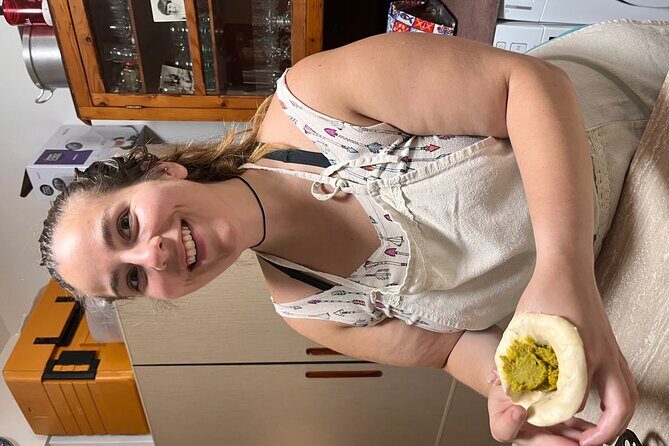
In this case, you are. The class doesn’t just hand you a pastry and send you on your way. You learn traditional techniques for preparing dough, practice making pastizzi yourself, and focus on two staple fillings (ricotta and curried pea). That turns the price into something practical.
Also, small-group instruction (max 8) is part of the value. In a bigger setting, you might only get one brief moment at the counter. Here, the format supports more hands-on time, which makes the per-person cost feel more reasonable.
Finally, you’re not paying extra for tasting separately. The description clearly says you end by eating freshly baked pastizzi. For many travelers, that makes the math easier: you’re paying for the class, the lesson, and the final product.
Who This Works Best For
This is a great match if you fall into any of these categories:
- You love Maltese food and want to understand what you’re eating
- You enjoy hands-on workshops more than lectures
- You’re traveling in a small group or as a solo foodie who wants attention from the host
- You want a take-home skill, not just a meal
It’s also ideal for travelers who like a more intimate, local setting. Reviews emphasize a gracious welcome and patience, which suggests the host is set up to guide people who might feel nervous about cooking.
On the flip side, this might feel short if you want a day-long program. It’s about 2 hours, and it’s centered on the kitchen and the pastizzi process.
Practical Tips to Get More Out of Your Pastizzi Class
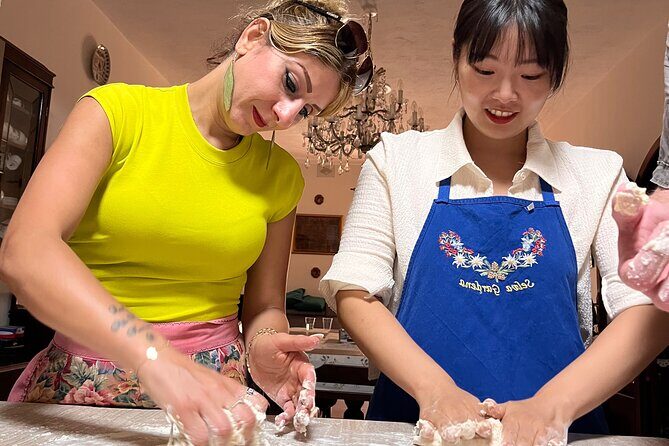
You’ll get the best experience if you treat this like a mini workshop, not like a casual snack stop.
Do this:
- Come with an open mind about the technique. The point is practice, not perfection.
- Take your time with the steps you’re taught. The fastest maker challenge is fun, but the goal is still doing it right.
- Ask questions while you’re still at the moment in the process. You’ll remember the answers better in context.
Also, keep expectations realistic. You’re learning an art-form style skill that’s been passed down. Even with coaching, you may not produce identical pastizzi on your first try. But the fact that you’ll leave able to repeat the process is the real win.
Should You Book This Pastizzi Making Experience?
Yes, I think you should book it if your travel style includes learning a local technique and taking home a skill you can repeat. The combination of a small group, a home kitchen, and hands-on practice with both ricotta and curried pea makes it feel like a true experience, not a generic food tour stop.
If you’re only looking for sightseeing or you want a longer tour, you might feel it’s too focused. But if you want a genuine Malta-flavored memory you can recreate later, this is a strong choice.
FAQ
How long is the Pastizzi making experience?
It runs for about 2 hours.
Where does the experience start?
The meeting point is 39 Triq Tal – Katidral, Tas-Sliema, Malta.
What is the group size limit?
The experience has a maximum of 8 travelers.
What fillings will you learn to make?
You’ll focus on two staple fillings: ricotta and curried pea.
Will I receive a mobile ticket?
Yes, the experience includes a mobile ticket.
What is the cancellation policy?
You can cancel for a full refund if you cancel up to 24 hours in advance of the experience start time. If it’s canceled because a minimum number of travelers isn’t met, you’ll be offered a different date or a full refund.