REVIEW · MALTA
First Experience Scuba Diving
Book on Viator →Operated by Aquatica Diving Centre · Bookable on Viator
Malta makes a great first step into scuba, because the water is clear and calm. This first-time scuba try pairs short online prep with hands-on coaching, then gets you into the water for skills practice and a shallow second session. It’s built for beginners who want real instruction, not just a quick splash and hope for the best.
Two things I really like: you get all the gear included and you do it with a small group (max 4), so the instructor can spend time with you. One thing to consider: it’s not an internationally recognized certification course, so treat it as a try-before-you-train option.
Quick heads-up: the experience is weather-dependent and timing can shift. You’ll also need to meet the health requirements, and some conditions require written physician approval before you’re allowed in the water.
In This Review
- Key things to know before you go
- Malta’s first-time scuba try: why Sliema works so well
- Before you even show up: online materials and same-day instructions
- What happens at the meeting point (and why timing matters)
- Gear is included: how to make fittings feel painless
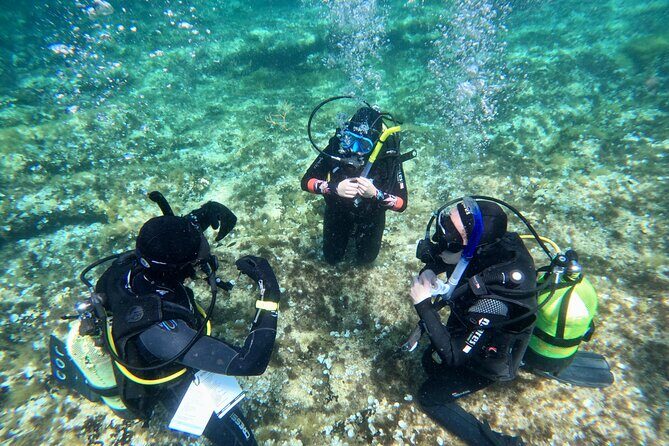
- The first underwater skills session: practice without rushing you
- The second shore session (max 5 meters): seeing Malta up close
- Small-group coaching (max 4): the difference between hope and real help
- Price and value: what $96.55 covers (and what it doesn’t)
- Who should book, and who should think twice
- Weather, timing shifts, and what to pack mentally
- Should you book this first-time scuba try in Malta?
- FAQ
- What’s included in the $96.55 price?
- Do I need to bring my own towel and swimsuit?
- Will I get a scuba certification from this experience?
- How deep will the shallow shore session go?
- Who is eligible to participate?
- What if I have a medical condition like pregnancy or heart/lung issues?
Key things to know before you go
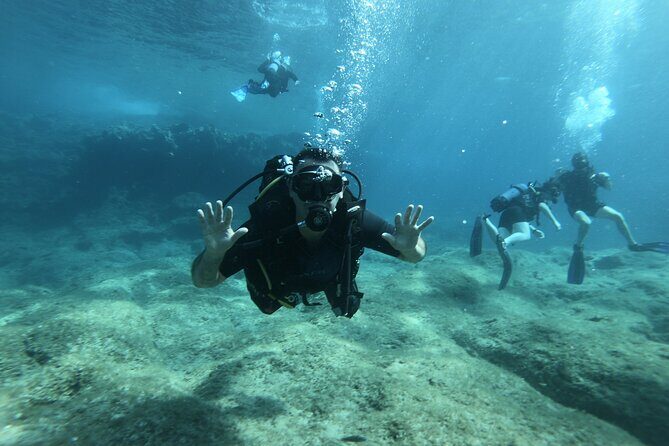
- Max 4 people means real attention during check-in and in-water skills practice
- Gear is included (so you’re not hunting for rentals or fitting hassles)
- You do online theory first, then a safety briefing before any time underwater
- Two underwater sessions: one skills-focused training session plus a second shore session kept at 5 meters max
- English instruction is required, and pre-course guidance comes by WhatsApp (or SMS/email)
Malta’s first-time scuba try: why Sliema works so well
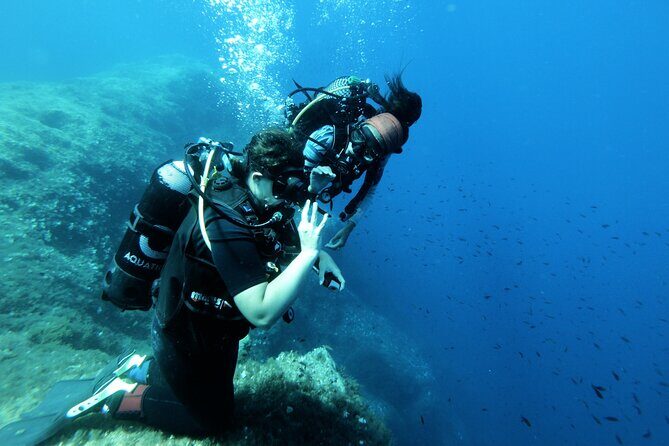
If you’re nervous, you’re not alone. The big win here is that the whole setup is beginner-shaped: short learning up front, a structured safety briefing, and careful in-water practice with the instructor right there with you.
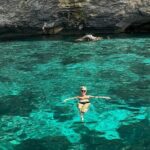
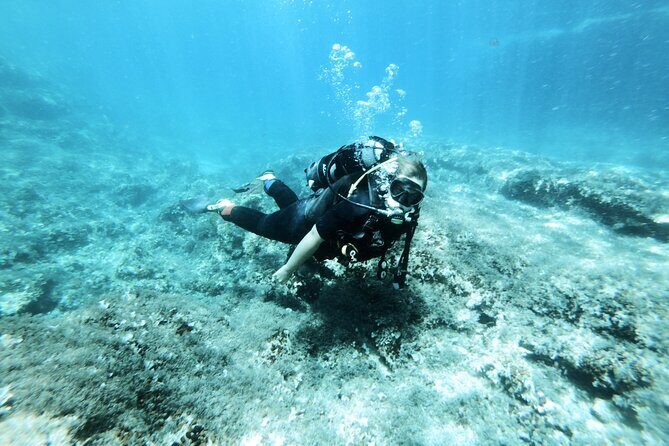
Malta is also a practical choice for a first attempt. The program is designed around calm, shallow learning with a focus on fundamentals. In the water, you might see lots of marine life near the surface—people have mentioned shoaling fish and even encounters like barracuda and sea urchins (April and other seasons can feel chilly, but the wetsuits help a lot).
This is also a good “first day” activity because the meeting point is easy to reach from Sliema. And because they cap the group size at 4, you’re not just a number being ushered along.
Other scuba diving and snorkeling tours we've reviewed in Malta

Before you even show up: online materials and same-day instructions
You won’t be handed a clipboard and figured-out later. Before the session, you complete online theory materials in your language. The goal is simple: you learn the basics ahead of time so the in-water time can focus on skills.
Expect a message ahead of the day too. They’ll contact you by WhatsApp (or SMS/email if you don’t use WhatsApp) with:
- the eLearning link
- essential instructions
- confirmation of the exact starting time
This matters because it reduces confusion on the day. Your best move: actually do the online work and skim it again the night before. One of the most common beginner problems isn’t the water—it’s forgetting what you studied when nerves kick in.
What happens at the meeting point (and why timing matters)
You meet at Ix-xatt Ta’ Qui Si Sana, SLM3111, Sliema, Malta. The activity starts and ends back at this same meeting spot, so you’re not signing up for a whole-day shuttle marathon.
The schedule is about 2 hours 30 minutes, but it can change with weather, sea conditions, traffic, parking availability, and even how quickly the group is ready. That flexibility is normal for water activities, but it’s why punctuality helps your stress level.
In real terms, your session day usually looks like:
- check-in and paperwork
- equipment setup and fitting
- a safety briefing and a quick skills orientation
- heading to the water for the first in-water practice
One practical tip: if you have questions, ask them during the structured briefing window. If you arrive early, you might end up waiting, because the team is still preparing the scheduled group flow.
Gear is included: how to make fittings feel painless
This is one of the best value parts. Your price includes the complete scuba kit, plus the safety briefing and the instructor-led training time.
What you should bring (because it’s not included):
- your own swimsuit
- your own towel
That’s it. No rental hunts, no last-minute purchases. You’ll get the wetsuit and the scuba gear that match their standard setup for beginners.
Also, if you’re used to being warm on vacation and then suddenly you’re not, plan for that. Even in months like April, people have mentioned feeling cold at first but staying comfortable thanks to the wetsuit.
When the instructor fits your gear, pay attention to:
- regulator setup (how it sits, how it feels when you breathe)
- mask comfort and seal
- how you’ll communicate underwater using simple signals
If something feels wrong, speak up before you go under. The point of a first-time try is to get comfortable with the gear while you still have control.
The first underwater skills session: practice without rushing you
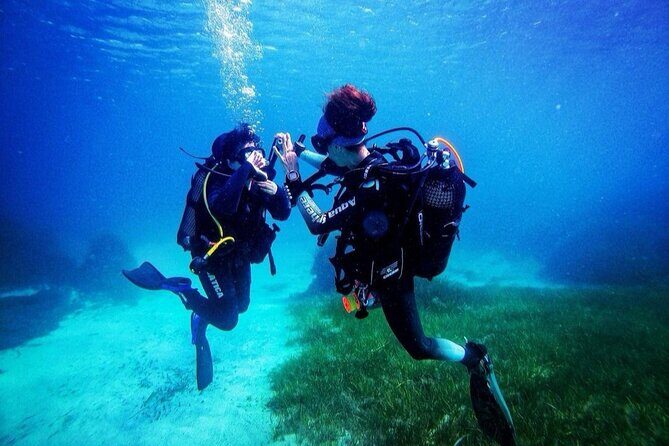
Your first time in the water is skills-focused. The program is designed to take you from first breath-through-the-regulator nerves to basic control under guidance.
You’ll practice core habits such as:
- breathing steadily through the regulator
- keeping your face and mask in place underwater
- following instructor signals
- building comfort with buoyancy and movement
Instructors in this program are repeatedly described as patient and reassuring. You may work with coaches such as Francesca, Alex, Julia, Emma, Marcell, Mark, Kas, Davide, Matteo, Aoiffe, Georgia, or Yolanda (names vary by date). What stays consistent is the approach: lots of explanation, close supervision, and time to get you comfortable.
Here’s the honest consideration: this experience relies on you being willing to follow the simplest underwater steps—like placing your face in the water. If you become panicked and can’t do the basic progression, the session may end early. That’s not a “gotcha.” It’s just how safety protocols work when you’re a beginner.
Other scuba diving tours in Malta
The second shore session (max 5 meters): seeing Malta up close
After your first skills practice, you get a second underwater session from shore. This one is intentionally shallow, with a maximum depth of 5 meters.
That shallow depth matters because it keeps things manageable. You’re not trying to conquer the ocean. You’re learning to enjoy being underwater while still staying in a zone where your body and gear are behaving predictably.
People have mentioned good visibility and plenty of fish activity near the surface. Some have even reported standout sightings like barracuda. Your exact sightings will change with the day and season, but the “first try” goal is consistent: you should leave feeling like you can breathe, move, and look around without constant fear.
Also, because it’s shore-based, the transition from land to water feels more controlled than boat-based routines. That usually helps first-timers relax faster.
Small-group coaching (max 4): the difference between hope and real help
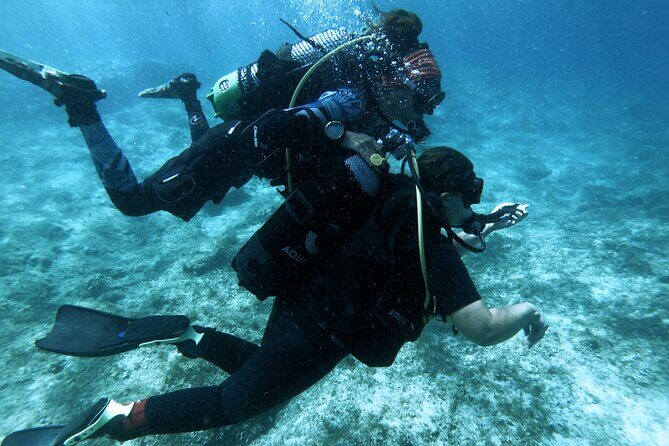
A group of 4 changes everything. With that size, the instructor can:
- watch for early signs of panic
- help adjust technique while you’re still learning
- make sure no one gets lost or left behind
Several people described instructors as attentive and calm—staying close, checking in frequently, and guiding both nervous beginners and younger participants.
If you’re bringing a teenager, the program allows minors from age 10, but they need parental/tutor written consent. If you’re an adult, you’ll still get the same core training structure, just without the extra paperwork step.
Price and value: what $96.55 covers (and what it doesn’t)
At $96.55 per person, the value is mostly about what’s included.
You get:
- online theory materials
- safety briefing
- full scuba kit
- one skills-focused training session
- one shore session with max 5 meters
- transportation to and from the water location
What you don’t get:
- a towel
- a swimsuit
- hotel pickup/drop-off (you make your own way to the meeting point)
If you were to price those items separately—especially equipment rental plus instructor time—the package becomes a sensible deal for a beginner try. The biggest “value math” comes from the included gear and the transportation between the meeting point and the water.
Also, it’s a relatively short commitment (about half a day). If you’re visiting Malta and want an active experience without losing your whole day, this fits well.
Who should book, and who should think twice
This is for people who can swim and meet the activity’s requirements. The program specifies:
- swimmers only
- moderate physical fitness
- English speaking/understanding required
- good health compliance is mandatory
The health side is serious. The experience lists conditions where you must get written approval from a physician before diving, and it includes examples like:
- pregnancy
- heart/lung/blood issues
- eye/ear/nasal problems
- recent surgeries
- neurologic conditions or learning/developmental disability
- diabetes and stomach/intestinal problems (like diarrhea)
- taking prescription medications (with limited exceptions)
If you can’t provide written medical consent, they offer you the alternative of joining their snorkelling tour instead.
And there’s a timing rule to respect after your session: for flight plans, they recommend you wait at least 12 hours (and ideally 24 hours) before flying. That’s not just paperwork—it’s part of keeping your body safe after pressure changes.
Weather, timing shifts, and what to pack mentally
This activity requires good conditions. Sea and weather can cause:
- a schedule shift
- a different water situation
- less visibility if the day is choppy
One practical plus from real-world experience: when conditions weren’t ideal, the center still worked to relocate the underwater time to better conditions. That flexibility helps, and it’s exactly why they warn you the session length can vary.
So what should you pack for mentally? A “first try” mindset:
- expect to feel awkward at first
- expect to learn the gear quickly
- treat instructor instructions as non-negotiable guidance
Also, remember this is a try-course. It does not provide an internationally recognized scuba certification. If you’re hungry for full licensing later, ask about their scuba courses.
Should you book this first-time scuba try in Malta?
Book it if:
- you want a guided beginner experience with gear included
- you like the idea of small-group attention (max 4)
- you’re comfortable doing online prep and paying attention during the safety briefing
- you want shallow water time up to 5 meters with a realistic chance to see fish
Think twice if:
- you have any health situation that might require written physician approval and you don’t have it ready
- you know you can’t handle the basic underwater steps when anxiety hits (especially keeping your face and mask in place)
- you’re looking for a certification you can use long-term—this try is about experience, not credentials
If you’re deciding today, my take is simple: this is a good-value, beginner-friendly way to test whether scuba feels right for you. The combo of included equipment, small-group support, and a controlled shallow setup is exactly what first-timers need.
FAQ
What’s included in the $96.55 price?
The price includes online theory materials, a safety briefing, your complete scuba kit, 1 training underwater session, 1 shore underwater session with a maximum depth of 5 meters, and transportation to and from the water location.
Do I need to bring my own towel and swimsuit?
Yes. A towel and swimsuit are not included. Bring your own swimsuit for getting ready, and bring a towel for after.
Will I get a scuba certification from this experience?
No. This try-course does not provide an internationally recognized scuba certification. If you want a scuba licence, you’ll need to ask about their scuba courses.
How deep will the shallow shore session go?
The second underwater shore session is limited to a maximum depth of 5 meters.
Who is eligible to participate?
You must be able to swim and have moderate physical fitness. The session is offered in English, so English speaking/understanding is required. Minors must be at least 10 years old and need tutor/parental written consent.
What if I have a medical condition like pregnancy or heart/lung issues?
The activity lists several conditions where written medical approval from a physician is mandatory before you can dive (pregnancy and heart/lung/blood issues are included in that list). If you cannot provide the required written approval, you’re directed to join the snorkelling alternative instead.