REVIEW · MALTA
Medina, Rabat and the pastizzi experience
Book on Viator →Operated by Silvia -Excursiones en Malta · Bookable on Viator
Mdina’s walls have a way of slowing time. This walking tour stitches together the story of Malta from early worship sites to Roman-era traces, then sends you to Rabat’s quieter side for Christianity and the catacombs, ending with a proper snack: pastizzi at Is-Serkin Crystal Palace Bar. I love the way the route links Mdina and Rabat into one clear timeline, and I love that snacks are actually part of the plan, not an afterthought.
One thing to consider: this experience depends on good weather, and the walk can feel chilly or windy when the sky is uncooperative.
The biggest difference-maker is the guide. In the reviews, Julia stood out for being polite, funny, attentive, and genuinely good at explaining what you’re looking at. You’re not stuck with dates-only facts. You get context you can carry while you keep walking on your own afterward.
In This Review
- Key points to know before you go
- Walking Mdina Gate to Cathedral of Saint Paul
- Medieval law at the old Universitas courts
- Art in an old Mdina house
- The only Roman museum in Malta
- Rabat: the suburb that shaped Christianity
- Is-Serkin Crystal Palace Bar and the pastizzi payoff
- Guides matter: Julia’s style (and why you feel it)
- Timing, walking flow, and who this tour suits best
- Value: what $65 buys you in real terms
- Should you book the Medina, Rabat and pastizzi tour?
- FAQ
- What’s the duration of the tour?
- Where do I meet the group?
- What time does the tour begin?
- Is the ticket mobile?
- What food is included?
- How many people are in the group?
- Does the tour include any admission tickets?
- What happens if the weather is bad?
- Can I bring a service animal?
Key points to know before you go
- Small group (max 6) means easier questions and a less rushed pace through tight historic streets.
- Mdina-to-Rabat route covers major layers of Malta: early worship sites, medieval rule, and Roman remains.
- Only Roman museum in Malta is a standout stop that helps connect what you see to the wider Roman world.
- Catacombs in Rabat give a real sense of early Christian burial practices and why Rabat mattered.
- Pastizzi at Is-Serkin Crystal Palace Bar is included, and you can pair it with tea, coffee, or beer depending on the season.
- Mobile ticket keeps things simple when you arrive at Mdina Gate.
Walking Mdina Gate to Cathedral of Saint Paul

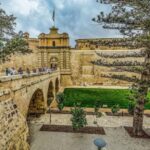
Your afternoon starts at Mdina Gate, the natural portal into Malta’s most story-heavy neighborhood. Mdina is famous for calm, stone, and views. What surprised me is how quickly you start reading the place like a map. The streets look quiet, but every corner has a reason to exist.
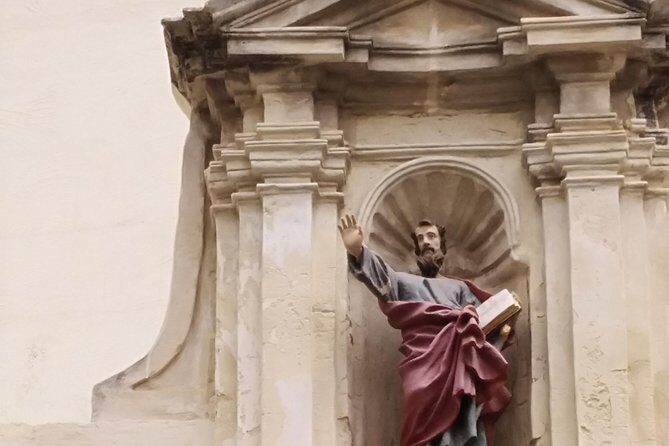
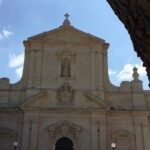
The first major stop is the Cathedral of Saint Paul. This isn’t just a pretty church façade. It’s described as the most important church among Malta’s 365 churches, and it’s also the seat of the Diocese. Even more useful for your understanding: the same site has been occupied since the 9th century BC. That detail matters because it reframes Mdina. You’re not walking through something old and decorative. You’re walking through a location that kept being important through major eras.
A practical tip: if you’ve been hopping between tourist sites all day, Mdina can feel like a breath of fresh air. That calm is part of the experience. But it also means you’ll want to pay attention to the guide’s pacing—don’t rush your photos. The best shots come when you pause and let the story settle.
Other Mdina and Rabat tours we've reviewed in Malta

Medieval law at the old Universitas courts
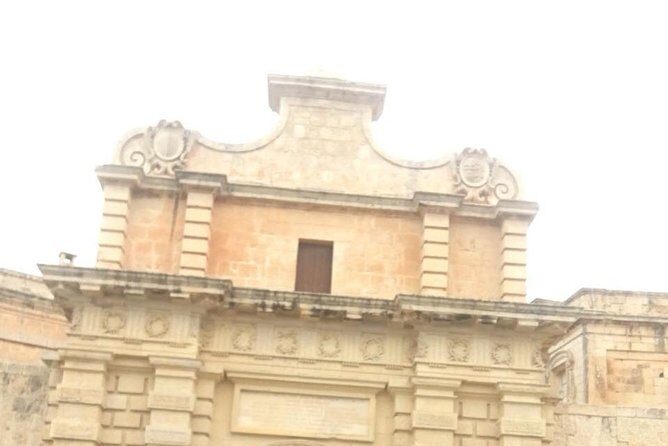
After the cathedral, you shift from religious power to civic power at the old law courts of the Universitas. The Universitas is the feudal government in medieval times, and that label changes how you see the building. Instead of thinking of courts as modern institutions, you’re reminded that decisions about life—taxes, rules, local authority—were once handled in the same kind of spaces people gather in today.
This stop works well because it’s visual. You’re learning how authority used to function, and you’re also practicing how to interpret historic buildings. Even if you only catch a few phrases, you’ll still come away with a better sense of why certain streets in Mdina feel like they were designed for governance and congregation, not just commerce.
One consideration: historic Mdina streets can be uneven and narrow. The tour is designed for most travelers, but if you’re sensitive to walking on stone surfaces, wear supportive shoes and take your time during transitions.
Art in an old Mdina house
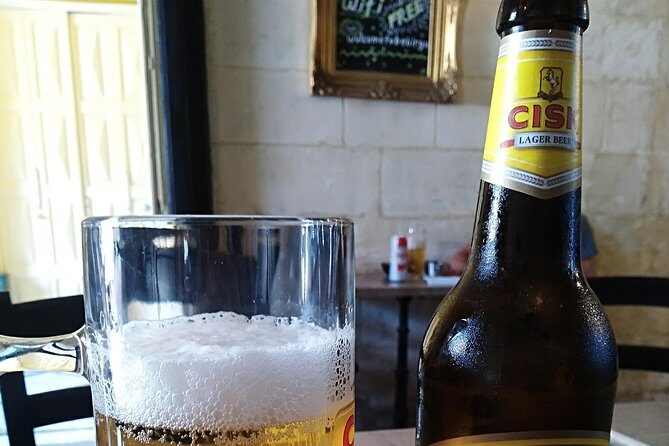
Next up, you visit one of the oldest houses in Mdina, which now functions as a museum of fine art collections. This is a smart choice in a walking tour because it balances the heavy stone-and-stone-story feeling with something more personal. A museum in a historic home helps you imagine daily life—how residents used space, how rooms might have felt before they became exhibition areas.
Even if you’re not a dedicated art museum person, don’t skip the stop just because it’s “only” fine art. In Mdina, that word often means the art is framed by place. The building itself is part of the lesson. You’ll be thinking about who lived here, how they moved through the house, and why later generations decided to preserve it rather than replace it.
If you’re short on museum patience, keep a light approach. Focus on what the guide points out, not trying to read everything on your own in one pass.
The only Roman museum in Malta
Then you hit one of the tour’s most distinctive ideas: the only Roman museum in Malta. That alone makes this stop worth the walk. It’s not just another exhibit; it’s a rare chance to connect Roman Malta to something tangible in a way that’s easy to remember later.
Why it matters: Roman Malta shows up in fragments—inscriptions, architecture references, and archaeological clues. But seeing Roman material gathered in one place helps your brain build a complete picture. You’re no longer catching Roman-era details only as background. You’re learning how they fit together.
This is also where the tour’s structure really clicks. You’ve already covered major religious and medieval layers in Mdina. Then you intentionally shift backward to Roman influence. After you’ve done that, Rabat becomes easier to understand, because Rabat isn’t random—it’s part of the same Roman story.
Rabat: the suburb that shaped Christianity
After Mdina, you head into Rabat, a suburb that often feels calmer and more local. The tour frames both Mdina and Rabat as the Roman city of Melita. That one sentence helps your eyes change. You stop thinking of “two separate towns” and start seeing one bigger historical landscape—Roman-era roots that later shaped religious identity.
Rabat is also described as the cradle of Christianity in Malta. That’s a phrase with weight. It means you’re not just visiting old buildings for aesthetic reasons. You’re walking through a place that played a role in early Christian burial practices and community memory.
One of the most impactful stops here is a visit connected to the Christian catacombs of Rabat. The catacombs are burial places, and the tour notes that the vast majority of them are found in Rabat. That detail gives Rabat a specific job in Malta’s early Christian story: this is where people were laid to rest.
What I like about this part of the tour is how it slows down the conversation. Mdina can be visually dramatic; catacombs are the opposite—quiet, intimate, and easy to feel. If you’re the type who likes history with atmosphere, this is where the tour earns its keep.
Practical note: catacomb-related spaces can feel cool and dim. If you run cold easily, bring a layer, even in mild weather.
Other wine, food and cooking experiences we've reviewed in Malta





Is-Serkin Crystal Palace Bar and the pastizzi payoff
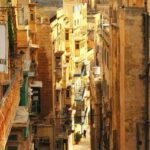
At the end of the walk, you get a stop that feels like it was planned by someone who actually knows how to travel. You arrive at Is-Serkin Crystal Palace Bar for pastizzi, one of Malta’s most famous snacks and described as the cheapest way to eat.
Here’s the best part: it’s not a vague tasting. It’s included in the tour, and you’ll get to experience it at the place known for selling the best pastizzi on this route. You also learn why pastizzi works so well as a travel food. It’s portable, filling enough for a snack, and it makes sense in both warm and cool weather.
The tour frames pairing options by season—hot tea or coffee in winter, and cold beer in summer. Even if you’re not a beer drinker, that idea still matters. It’s a reminder to match the drink to the day you’re having, not just what’s available.
You’ll have about 20 minutes here. That’s short, but it’s the right kind of short. You get your snack, you reset your legs, and then you can head back into Mdina’s lanes or continue your evening without feeling stuck at a single table.
Guides matter: Julia’s style (and why you feel it)
In the reviews, Julia comes up again and again. The common thread isn’t just that she knows history. It’s that she delivers it in a way that feels human—polite, friendly, kind, attentive, and funny. One review highlights her passion and how enlightening her historical explanations were. Another points out that even when weather turned windy and cold, her easy pace kept the tour enjoyable.
That’s what you’re paying for. A tour isn’t just a route. It’s the brain that organizes the route. With a guide like Julia, you’re more likely to understand what you’re seeing right now, and remember it later.
And yes, this tour can get you hungry. That’s not a problem—pastizzi at the end gives you a solid payoff after churches, courts, museums, and catacombs.
Timing, walking flow, and who this tour suits best
This experience runs about 2 hours 30 minutes. With a start time of 2:30 pm, it’s a nice plan for people who don’t want to burn an entire day on transport. It’s also a great pairing tour if you’re already spending time in Malta’s historic areas, because it gives you a focused loop instead of random hopping.
The group size is small, capped at 6 travelers. That usually means less waiting and more flexible pacing. It’s ideal if you:
- like guided history you can actually follow
- want a manageable walk instead of an all-day marathon
- prefer a snack that feels local and practical, not an expensive detour
Not ideal if you want a totally self-paced experience. This is a structured walking plan with set stops and time windows.
Also, the tour requires good weather. If it’s canceled due to poor conditions, you’ll be offered another date or a full refund. That’s worth paying attention to because Mdina streets and catacomb stops don’t feel fun in constant downpours.
Value: what $65 buys you in real terms
$65 for a 2.5-hour guided walk through Mdina and Rabat isn’t just a “pay for walking” deal. The value is in the mix.
You’re getting:
- guided access through multiple historic stops
- entry connected to Rabat’s catacombs (with a note that one Rabat stop’s ticket is free)
- a museum visit focused on Roman material (the only Roman museum in Malta)
- and the big practical win: pastizzi is included, with tea/coffee/beer as the pairing idea depending on season
Even if you’d pay for museums and a snack on your own, the guide helps you spend your time better. You’re not guessing what matters most. The tour’s order builds understanding: Mdina religious and civic power, then Roman context, then Christianity in Rabat, then food.
If you’re trying to keep your Malta costs under control, this is one of those tours that saves you money and time at the same moment.
Should you book the Medina, Rabat and pastizzi tour?
I think you should book it if you want a guided afternoon that connects Malta’s layers without getting exhausting. This is the kind of tour that’s worth it even if you’ve never read anything about Malta’s Roman past, because the stops are sequenced so the story makes sense.
I’d skip it or be more cautious if you’re strongly weather-dependent. Wind and cold can make walking less pleasant, and the experience requires good weather. It’s also less suitable if you hate guided stops and prefer to wander freely.
FAQ
What’s the duration of the tour?
The tour runs for about 2 hours 30 minutes.
Where do I meet the group?
You start at Mdina Gate (VCM3+V9W), Mdina, Malta.
What time does the tour begin?
The start time is 2:30 pm.
Is the ticket mobile?
Yes, the tour uses a mobile ticket.
What food is included?
Pastizzi is included, and it’s typically paired with tea or coffee in winter and cold beer in summer.
How many people are in the group?
This experience has a maximum of 6 travelers.
Does the tour include any admission tickets?
One Rabat-related stop notes admission ticket free, and the pastizzi stop notes admission ticket included. Other entry details aren’t specified in the data provided.
What happens if the weather is bad?
The tour requires good weather. If it’s canceled due to poor weather, you’ll be offered a different date or a full refund.
Can I bring a service animal?
Yes, service animals are allowed.