REVIEW · MALTA
Best of Valletta Walking Tour
Book on Viator →Operated by City Walking Tours Malta · Bookable on Viator
Valletta can feel like one big museum block, but this tour makes it click fast. I love the way a licensed guide connects the Knights of St John to what you’re actually standing in front of, from grand palaces to everyday café streets. You get the big visual payoffs early, especially the Upper Barrakka Gardens viewpoint over Grand Harbour.
My favorite part is the pacing: short stops that add up to a strong overview without dragging. I also like the practical touches, like choosing comfortable listening with earphones and routes that include shade breaks (handy in Malta’s sun). The one drawback to plan around is that St. John’s Co-Cathedral entrance isn’t included, so if you want inside time, you’ll need to decide that separately.
In This Review
- Key highlights you should care about
- Where this Valletta walking tour starts and ends
- Getting your bearings: Valletta’s Knights story in plain sight
- Auberge d’Italie: how a building’s purpose shows up in its attitude
- Upper Barrakka Gardens: the harbor view that gives instant context
- Merchant Street Market: a refined stroll through past and present
- St. John’s Co-Cathedral: what you see when entry is not included
- Republic Street: the café stretch and Cafe Cordina’s draw
- Grandmaster’s Palace and Castellania: power, then law, then stories
- The Pub and Oliver Reed: history with a wink
- Republic Square, Queen Victoria, and Our Lady of Victories: from monarchy to government
- Price and value: why $24 can make sense for a first-day overview
- Who this tour fits best (and who might want something else)
- The guide makes a real difference
- Practical tips so you get the most out of your 2.5 hours
- Should you book this Best of Valletta Walking Tour?
- FAQ
- How long is the Best of Valletta Walking Tour?
- What does the tour cost?
- What language is the tour offered in?
- Is St. John’s Co-Cathedral entrance included?
- Where do I meet, and where does the tour end?
- What fitness level is needed?
Key highlights you should care about
- Licensed English guide who explains how Valletta was built and why it still looks the way it does
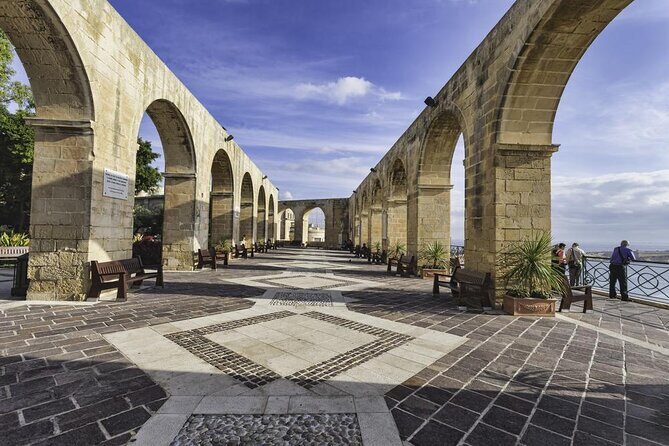
- Upper Barrakka Gardens for a high-impact view over Grand Harbour in about 15 minutes
- Republic Street and Cafe Cordina stops that help you spot the town’s social center
- Grandmaster’s Palace area plus nearby sites that explain the shift from Knights to later eras
- Quick stops across major squares and buildings, with a walking pace suited for moderate fitness
- St. John’s Co-Cathedral is seen from outside since entry is not part of the tour
Where this Valletta walking tour starts and ends
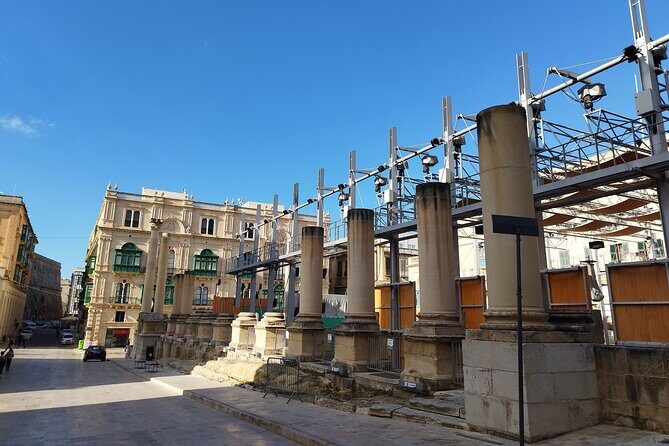
You’ll meet at the New Parliament Building on Republic Street. That’s a smart launch point because you’re already on Valletta’s main spine, close to the squares and sights you’ll hit later. Expect about 2 hours 30 minutes on foot, with a route designed to keep things moving without feeling like a race.
The group size is capped at 30 travelers, which tends to make it easier to hear your guide and ask questions. And since it uses a mobile ticket, you don’t have to fuss with printing. The tour also notes moderate physical fitness for the walking involved, so bring comfortable shoes and plan for some stairs and uneven stone.
Other Valletta tours we've reviewed in Malta


Getting your bearings: Valletta’s Knights story in plain sight
The tour opens with Valletta itself—right where the city’s identity comes from. Your guide gives you a clear sense of the Knights and the building of Malta’s capital City, not just dates and names. The benefit for you is simple: once you understand the Knights’ role, the architecture stops looking random. It starts looking intentional.
This first stretch helps you read the city like a map. You’ll learn how the Knights-era power centered on key institutions and landmark buildings, and then you’ll watch that story ripple forward into later centuries. Guides on this route (including people like Angeles and Nadine, according to past groups) tend to be especially good at answering follow-up questions in English, which matters when you want details without signing up for a longer, museum-heavy day.
Auberge d’Italie: how a building’s purpose shows up in its attitude
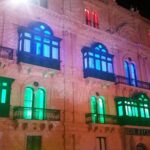
Next up is Auberge d’Italie, the kind of place you could walk past without realizing what it meant. Here’s why it’s worth stopping: the tour frames the auberges (the Knights’ inns) as power and identity on display. You’re not just hearing that it’s impressive—you’re learning the “why,” which changes how you look at the façade.
This stop is short, about 10 minutes, so it works as a reset between big viewpoints and larger sights. If you like architecture that has a job (not just a pretty front), this is the part that usually makes people say, now I get it.
Upper Barrakka Gardens: the harbor view that gives instant context
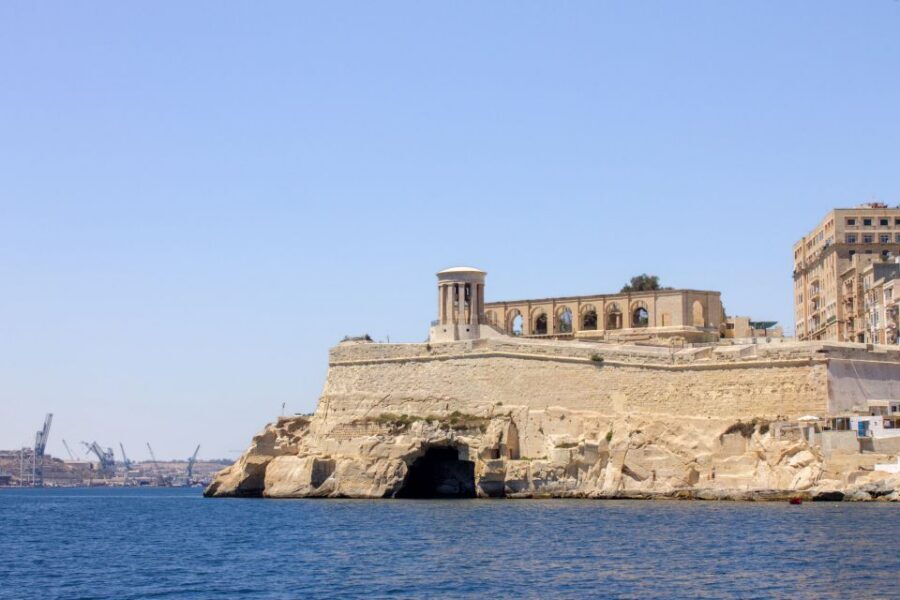
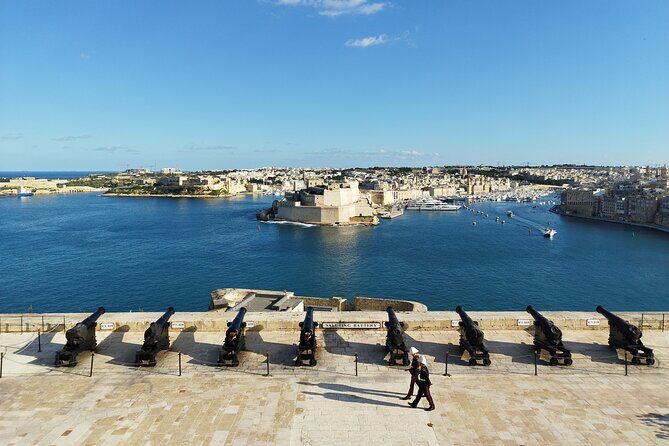
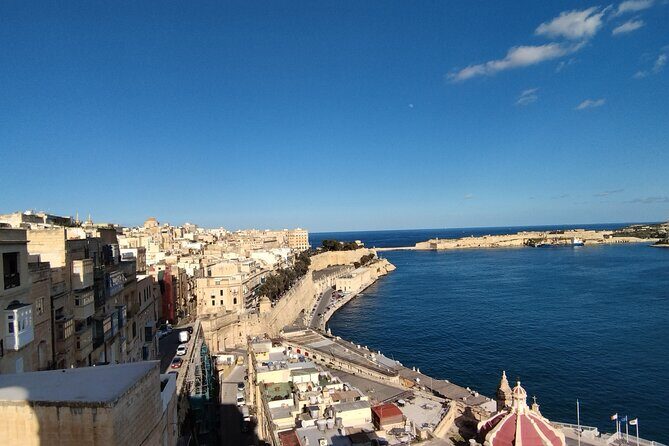
After the urban buildings come the views. Upper Barrakka Gardens gives you a break from street-level stone. You’ll spend around 15 minutes admiring the terrace perspective over Grand Harbour, described as the largest natural harbour in the Mediterranean.
Why this matters: Malta is an island, and Valletta’s drama is tied to its coastline and sea access. Once you see the harbor from up high, the city’s layout starts to make more sense. Even if you’re not a “view person,” this stop is still a good way to breathe, snap photos, and let the story you just heard land in your brain.
If you’re sensitive to sun, plan to bring water and give yourself a moment here. One past guide experience also highlighted shade-conscious routing, which is genuinely useful on this kind of walking tour.
Merchant Street Market: a refined stroll through past and present
The tour then shifts to everyday life, with Merchant Street Market. This part is about texture: the street’s look, the rhythm of the city, and how Valletta connects what came before to what you see now. It’s roughly 15 minutes, enough to feel the atmosphere without turning into a shopping detour.
For you, this stop is valuable because it balances the heavy historical anchors with something more human-scale. You see where people gather and how the city functions day to day. If you want to return later on your own, this is a good “first pass” segment—easy to remember, easy to revisit.
Other walking tours we've reviewed in Malta

St. John’s Co-Cathedral: what you see when entry is not included
At St. John’s Co-Cathedral, you’ll walk past the conventual church of the Knights of Malta. The tour is clear that church entrance isn’t included, so you should think of this stop as an exterior orientation: placement, importance, and what it represents in the middle of Valletta.
That’s not a deal-breaker, but it’s a planning fork. If your priority is going inside, you’ll need to add your own ticket and time. If your priority is getting the overview and deciding later, walking past is still useful because your guide will frame why this building matters before you ever commit to an interior visit.
Republic Street: the café stretch and Cafe Cordina’s draw
Next is Republic Street, one of Valletta’s most popular public areas, known for open-air cafés and the famous Cafe Cordina. This is about social geography: where people linger, where conversations happen, and which streets feel like the city’s living room.
The tour keeps it to about 10 minutes, which is enough time to orient yourself and recognize the spot on later walks. If you’re the type who wants to know where to get coffee after a tour, this is a great target. You’ll also understand why Republic Street is such a magnet for people—because it’s not an accident. It sits in the flow of the city’s landmarks and public squares.
Grandmaster’s Palace and Castellania: power, then law, then stories
One of the longer segments is around Grand Master’s Palace, about 30 minutes. This stop is where you learn the transition from the Knights era into the colonial period, and you also get a sense of how the square’s meaning changed over time.
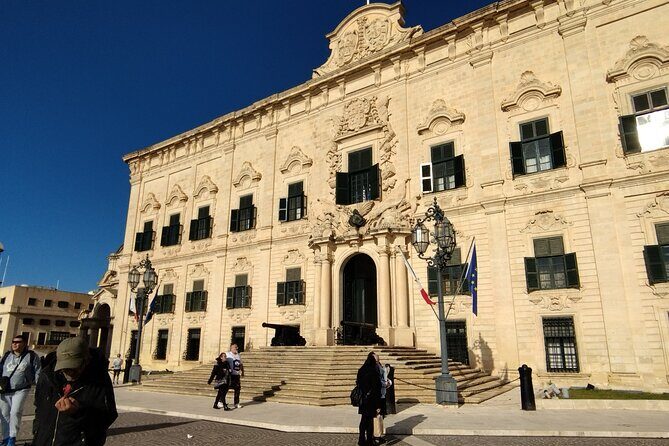
Right nearby you’ll also come to Castellania, the former law courts of the Knights of St. John. Even though it’s only about 10 minutes, it’s a strong pairing with the palace. Together they help you see a theme: Valletta wasn’t just built to look impressive—it was built to run systems, make decisions, and enforce order.
If you like when history is connected to real places (not just “there was a time”), these two stops do that work. You leave knowing where to look for the clues, like how civic power and legal authority shaped the city.
The Pub and Oliver Reed: history with a wink
You’ll pass The Pub, tied to the note that Oliver Reed had his last drink there. This isn’t about architecture, and it isn’t about the Knights. It’s about how Valletta keeps layers of story going, even through pop culture.
Why it works on a walking tour: it keeps the pace from becoming entirely solemn. It also helps you remember details. When a place has a human anecdote attached, your brain stores it faster—and later you’ll recognize it again when you wander on your own.
Republic Square, Queen Victoria, and Our Lady of Victories: from monarchy to government
The tour then heads to Republic Square, where you’ll see the iconic statue of Queen Victoria and the library. It’s another “big public space” moment, and it helps you track Valletta’s story beyond the Knights. You’re seeing how political symbols and institutions appear in stone and bronze.
Finally, you’ll reach Our Lady of Victories Church, which is described as the former Auberge of Castille, Leon and Portugal, and today the Prime Minister’s office. That’s a strong ending point because it compresses centuries into one location: a building’s role changes, but its presence stays.
Even if you don’t tour the church interior, this finish gives you a satisfying sense of continuity. You can look at an old structure and understand how it keeps serving new power.
Price and value: why $24 can make sense for a first-day overview
At $24 per person, this tour is priced for an efficient intro rather than a ticket-heavy day. The main “included” value here is the fully licensed guide, plus the route that hits key areas without forcing you to plan each stop yourself.
A big reason this works for value is the mix of viewpoints, squares, and institutions in about 2.5 hours. You’re not paying to sit in one spot. You’re paying for context that lets you see more during the rest of your Malta trip. And since it’s offered in English with a max group size of 30, it’s set up to be social, not chaotic.
One thing to keep in mind: several moments are admission-free, but St. John’s Co-Cathedral entrance isn’t included. That means the tour’s price covers orientation and storytelling, while any deeper interior time is optional.
Who this tour fits best (and who might want something else)
This is a great fit if you want:
- a first-time overview of Valletta’s major sights in a single outing
- history tied to what you’re seeing, not history recited like a lecture
- a route that moves at a comfortable pace and makes it easy to remember key landmarks
You might look for a different option if you:
- strongly prefer museum-style time inside major buildings from the start (since St. John’s entry is not included)
- want a longer walk at a faster pace without breaks (this tour is set up for moderate physical fitness, not “run the city” mode)
The guide makes a real difference
The standout theme from guide experiences is not just facts—it’s how the facts are delivered. Guides like Angeles and Nadine are noted for clear explanations, strong English, and lots of answering when people ask questions. Another guide experience even highlighted thoughtful routing for shade and easy pauses, including benches and toilet breaks.
Also worth noting: hearing quality. One past group mentioned earphones, which helps you stay oriented even when streets get busy. That small detail matters because you want the story while you’re standing in front of the scene, not after you’ve walked past it.
Practical tips so you get the most out of your 2.5 hours
Bring water and expect some sun exposure. The route includes outdoor squares and viewpoints, and even with shade stops, Valletta can feel bright and warm.
Wear shoes you trust on uneven stone. This is a walking tour across city terrain, and “moderate physical fitness” means you should be comfortable with a fair amount of walking.
And plan your priorities: decide in advance whether St. John’s Co-Cathedral is a must for inside viewing. Since that entrance is not included, you’ll either add it later or accept that this tour is an exterior orientation.
Should you book this Best of Valletta Walking Tour?
If you’re planning a short Malta trip, this is one of the easiest ways to get oriented. I think it’s especially smart on day one because it gives you the framework to understand why Valletta looks the way it does and why certain streets and buildings matter.
Book it if you want a licensed guide, a focused overview of Knights-era Valletta, and quick access to the big visual hits like Grand Harbour views. Skip or pair differently if you’re aiming for a “stand in every building” day—because St. John’s interior entry isn’t part of the deal.
FAQ
How long is the Best of Valletta Walking Tour?
It runs for about 2 hours 30 minutes (approx.).
What does the tour cost?
The price is $24.00 per person.
What language is the tour offered in?
The tour is offered in English.
Is St. John’s Co-Cathedral entrance included?
No. Entrance to the church is not included, though you’ll walk past it as part of the tour.
Where do I meet, and where does the tour end?
You start at the New Parliament Building on Republic St, Valletta, and the tour ends in the center of the city close to the Grandmasters Palace, near St George’s Square on Republic St.
What fitness level is needed?
The tour notes a moderate physical fitness level due to walking.