REVIEW · MALTA
Wonderful Valletta, gastronomy, art, and history in the Mediterranean
Book on Viator →Operated by MORTOUR GUIDED TOURS · Bookable on Viator
Valletta fits in two hours. This guided walk packs big Mediterranean turns into tight streets, with stops that connect the city’s Knights-era landmarks, Caravaggio-linked alleyways, and Malta’s snack culture. I especially like the small-group pace (you’re not stuck behind a bus load) and the way the guide ties the sights to everyday life, from red phone boxes to what people actually eat. One heads-up: the mix leans a bit toward local perspectives, so if you want only tightly sourced history or zero politics, you may have less patience for the discussion.
The best part is how the route ends in a place that makes sense of everything you just saw. You start at Victoria Gate, then finish near St. John’s Co-Cathedral, with the city’s layers still visible in the walls around you. And because it runs in English with a mobile ticket, it’s easy to plan even if your Malta days are already full.
If you’re hoping for a long, multi-stop food crawl, consider that this is still fundamentally a two-hour walking tour. You’ll get food moments, but not a full-on gastronomic tour of Malta.
In This Review
- Key highlights worth your attention
- Stepping in at Victoria Gate: your Valletta orientation in 10 minutes
- The city’s “who ruled here” story, from the Ottomans to the British
- Knights-era landmarks and the European Capital of Culture 2018 lens
- Caravaggio in the alleys: art story, street-level details
- Maltese food in a walking tour: pastizzi and the “where to eat next” payoff
- Views and “local-feel” pacing that keeps you moving
- Price and value: $54.31 for a tight, high-impact walk
- Guide quality varies, but you’re in capable hands
- Practical tips before you go
- Should you book? My take
- FAQ
- FAQ
- What language is the tour offered in?
- How long is the Valletta walking tour?
- How many people are in the group?
- Where do we meet and where does the tour end?
- Is the tour weather dependent?
- Is a mobile ticket used?
Key highlights worth your attention
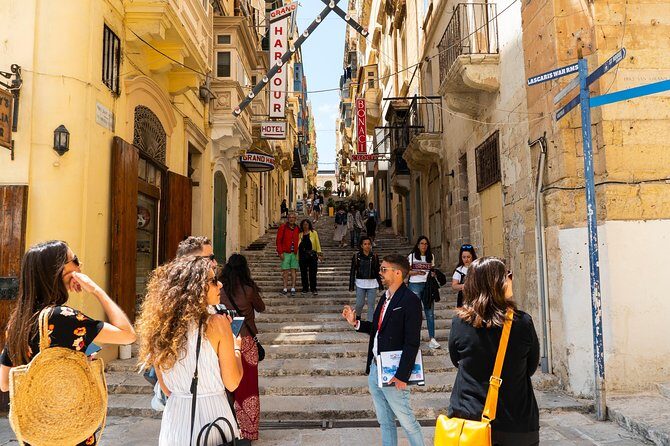
- Small group (max 10): easier questions, better pace, and you can actually hear the guide on narrow streets.
- Caravaggio alley story: the tour walks through areas linked to the painter’s escape-from-justice chapter.
- Food stops included: you’ll try local favorites such as pastizzi, plus recommendations for pizza and a cocktail break.
- Mediterranean power shifts: Ottoman Empire, Knights, Napoleon, British rule, and later scars from the Third Reich period are woven into the story.
- Culture year connection: Valletta’s European Capital of Culture 2018 status is part of the context.
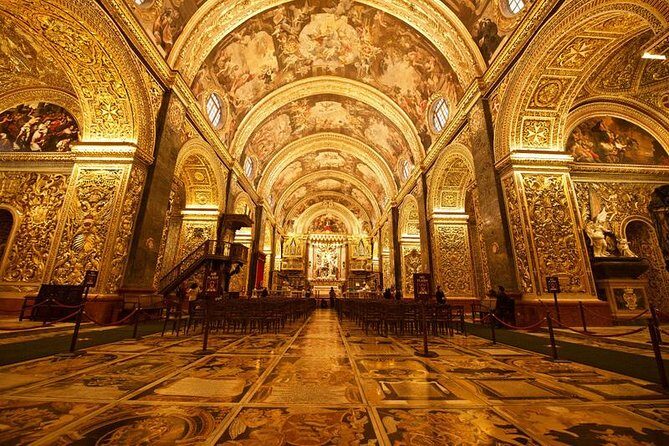
- Ends at the cathedral zone: St. John’s Co-Cathedral is the strong finish point for the whole “history in layers” theme.
Stepping in at Victoria Gate: your Valletta orientation in 10 minutes
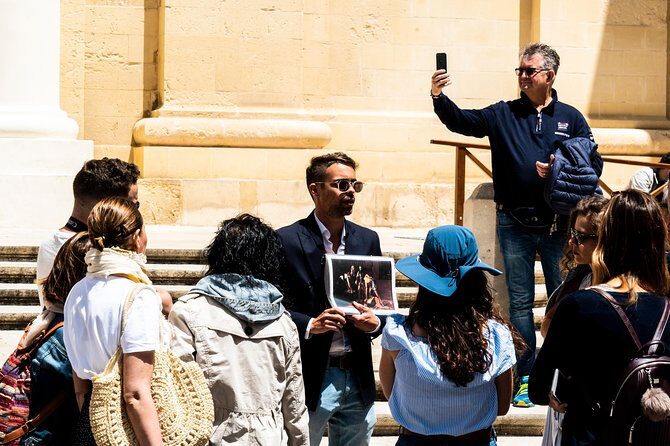
Most days in Valletta start the same way: you step out onto steep, sunlit streets and immediately wonder where everything is. This tour gives you a fix fast. You meet at Victoria Gate (near the Liesse area), which is a logical “entry point” for understanding how Valletta developed its defenses and street patterns.
Victoria Gate also sets the tone: the city feels compact, but it’s packed. Valletta is the smallest capital in the European Union, with around 6,000 inhabitants, so the buildings crowd closer and the views hit sooner. That density is why a two-hour walk works so well. You don’t need half a day just to learn how the city flows.
The meeting itself is simple: you show your mobile ticket, the guide gathers the group, and you head out on foot. This matters because Valletta is not a place where you want to spend your limited time figuring out logistics. Once you’re walking, you’re using your energy to see things, not to navigate.
Other Valletta tours we've reviewed in Malta


The city’s “who ruled here” story, from the Ottomans to the British
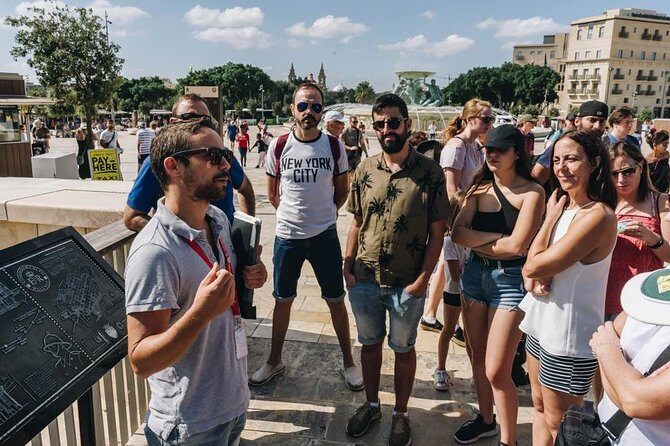
Valletta’s big appeal is that it reads like Mediterranean history you can walk through. The guide covers the city as an often-coveted strategic hub—shaped by several eras that left physical and cultural traces.
You’ll hear how the city moved through different hands and ideologies. The arc includes the Ottoman Empire, the Knights, Napoleon, the British period, and even the era of the Third Reich. Whether you care most about architecture, politics, or human drama, this timeline helps you look at the same walls differently.
A practical way to think about it: when you understand the “why” behind a fortification or a building style, you stop treating Valletta as just pretty postcard scenery. Instead, the city becomes legible. You start noticing how power shows up in urban planning—where a gate is placed, why certain streets feel like corridors, and how the city’s center stays concentrated.
I also liked that the guide doesn’t treat history like a dry list of dates. The stories are tied to visible details, which is what makes a short tour feel longer in the best way.
Knights-era landmarks and the European Capital of Culture 2018 lens
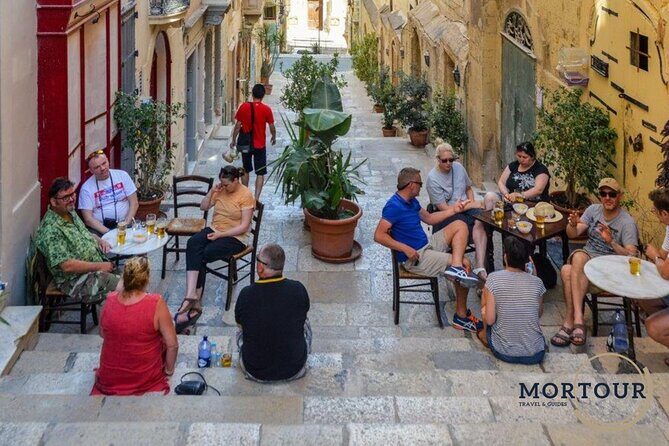
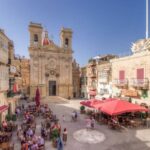
Valletta’s center is full of landmarks that scream Knights. Even if you’re not a “medieval architecture” person, you’ll still feel the scale of the period. The guide’s job is to connect the dots: this is why the city looks the way it does, and why it became so significant enough to be named European Capital of Culture for 2018.
That Culture year angle isn’t just trivia. It’s useful because it frames modern Valletta as a city that still lives with its historic identity, not a city frozen in the past. The idea is: you’re not only touring a museum. You’re walking through a working city where people still navigate these same streets.
So when you see historic buildings from the beginning of the 16th century, you’ll understand them as part of a broader urban story—not isolated monuments. This helps if you plan to keep exploring after the tour ends.
Caravaggio in the alleys: art story, street-level details
One of the most memorable sections is the walk through alleys associated with Caravaggio’s escape-from-justice chapter. The key here is perspective. You’re not viewing art history behind glass. You’re hearing how an artist’s life intersected with the city’s street reality.
This works because Valletta’s layout is made for alley storytelling. Narrow passages, sudden turns, and close building lines make it easy to imagine footsteps and hiding places. Even if you already know Caravaggio by name, walking these lanes helps the story feel human instead of textbook.
How the guide handles it can vary by what you personally enjoy. Some guides lean more into legends and anecdotes; others keep things tight around the story they’re telling. In general, expect a narrative style rather than a lecture with footnotes. If you want strict separation between fact and legend, it’s worth paying attention to how the guide frames each claim.
Still, the art angle is a strong match for Valletta itself. The city’s layers make it easier to connect creative life with place.
Maltese food in a walking tour: pastizzi and the “where to eat next” payoff
A tour in Malta that ignores food is like visiting Venice and skipping gelato. Here, food is built into the experience, and that’s part of why people rate the walk so highly.
You’ll taste pastizzi, the famous Maltese pastry (usually filled and flaky). That single bite does a lot of work: it gives you something to anchor to, so when you later pass a bakery or stall, you recognize what you’ve tried.
Beyond that taste moment, the guide points you toward where to eat after the tour. That includes pointers for good pizza with your travel group, plus ideas for having a cocktail—there’s even a nod to the kind of jazz-and-Dolce-Vita vibe that shows up in how people talk about Malta’s social history.
Just be realistic about the format: this is still a two-hour walk. Think of it as a taste-and-direction tour, not a multi-course feast. If your top priority is a long, structured gastronomy program with multiple tastings, you might want to pair this with a separate food-focused outing later.
Other historical tours in Malta





Views and “local-feel” pacing that keeps you moving
The tour’s schedule is short enough to feel energetic, not exhausting. Two hours in Valletta can be just the right dose, especially with a maximum group size of 10.
That small scale shows in how the guide moves you between parts of the city. You’re not just hitting the obvious photo stops. You also get streets that feel more like they belong to locals than to tour buses. The result is that you come away with a sense of how Valletta actually feels day to day.
It also helps that the tour ends in a monumental zone. Finishing near St. John’s Co-Cathedral (Triq San Gwann) gives you a satisfying “now I get it” moment. Even if you don’t spend long inside on this tour, being near the cathedral makes the earlier history feel more concrete.
Price and value: $54.31 for a tight, high-impact walk
At $54.31 per person, this is not the cheapest walking tour option in Malta. The value is in three areas:
First, the format. A 2-hour tour in a compact city is efficient, especially when you’d otherwise spend that time deciding where to go.
Second, the small group size. Max 10 can justify a higher price because the guide can tailor pacing and answer questions without dragging everyone.
Third, the mix. You get history, art story, and actual food (pastizzi), plus practical suggestions for where to eat and drink after. When a tour gives you both stories and next-step guidance, it tends to feel worth it.
The only price concern is if you end up with a guide whose mix leans too heavily into the kind of discussion you personally don’t care about. With short tours, the content balance matters a lot.
Guide quality varies, but you’re in capable hands

The tour provider behind this experience is MORTOUR Guided Tours. Within that, you may encounter guides such as Luis, Moises, or Julia—people known for warmth, energy, and strong city passion.
What I’d take from that, practically, is that the best version of this tour is guided and animated. The walk is designed for conversation, not silent sightseeing. When the guide leans into street life and makes the stories feel grounded, you’ll get more out of every stop.
Still, not every style lands the same way for everyone. One downside that’s worth respecting: if you’re looking for a strict, evidence-only history lecture, the way certain legends or political points are presented could feel off. If you’re sensitive to that, go in ready to enjoy it as storytelling, not courtroom-grade scholarship.
Practical tips before you go
Valletta is walk-heavy. Even a short tour adds up fast on cobblestones and slopes.
- Wear comfortable walking shoes with grip.
- Bring water, especially in warmer months.
- If you’re picky about timing, aim to arrive early at Victoria Gate so you don’t stress.
- The tour requires good weather, so plan a backup option for the same day.
The tour is in English, allows service animals, and is near public transportation. It’s also open to most people, which helps if you’re visiting Malta with mixed mobility levels—though you should still expect real walking.
Should you book? My take
Book this tour if you want a high-impact overview of Valletta—history from major Mediterranean powers, an art story tied to Caravaggio-linked alleys, and at least one real taste of Maltese food like pastizzi—wrapped into a short, small-group walk.
Skip it (or pair it carefully) if:
- you only want tightly sourced history with minimal political discussion,
- you expect a long, structured multi-tasting food program,
- or you’re worried about content balance more than pacing and atmosphere.
If you do book, I’d use it as your launchpad. Let it give you bearings, then spend the rest of your Malta time going back to the streets and landmarks that grabbed you most.
FAQ
FAQ
What language is the tour offered in?
The tour is offered in English.
How long is the Valletta walking tour?
It runs for about 2 hours.
How many people are in the group?
The tour has a maximum of 10 travelers.
Where do we meet and where does the tour end?
You start at Victoria Gate, and the tour ends at St. John’s Co-Cathedral on Triq San Gwann in Valletta.
Is the tour weather dependent?
Yes. It requires good weather, and if it’s canceled due to poor weather you’ll be offered a different date or a full refund.
Is a mobile ticket used?
Yes, the tour uses a mobile ticket, and you’ll receive confirmation at booking time unless booked within 8 hours of travel.