REVIEW · MALTA
Valletta World War II Private Walking Tour
Book on Viator →Operated by Colour my Travel · Bookable on Viator
Valletta’s WWII story hits harder on foot. This private walking tour strings together Siege of Malta sites like the Siege Bell Memorial and the Royal Opera House shell, with a guided stop at the National War Museum at Fort St Elmo. I love how the route is built for understanding, not just sightseeing, and I also like that your guide keeps the pace human with frequent pauses and real explanations. One consideration: this is a serious walk, with uneven stone and some stairs, so comfortable shoes and a steady tempo matter.
If you like history that feels local—made of streets, shelters, and daily survival—you’ll enjoy this. The city’s honey-colored stone looks calm now, but the stories you’ll hear land in 1940-42, when Valletta took repeated hits and the island tried to outlast Axis pressure.
In This Review
- Key Highlights You’ll Feel Immediately
- Entering Valletta’s WWII Story From the Right Starting Point
- Siege of Malta Sites: Siege Bell, Opera House Ruins, and Memorials
- How Valletta’s Tunnels and Victory Kitchens Changed Daily Life
- The Grand Harbour Stories: Illustrious Blitz, Convoys, and Supply Pressure
- Fort St Elmo and the National War Museum (George Cross Included)
- Price and Value: What $373.48 Buys for Up to Four
- Pace, Comfort, and What to Bring on This Valletta Walk
- Who This Private WWII Walking Tour Is Best For
- Should You Book This Valletta World War II Private Walking Tour?
- FAQ
- How long is the Valletta World War II private walking tour?
- How much does the tour cost and how many people can join?
- Where does the tour start and end?
- Is the National War Museum ticket included?
- What language is the tour offered in?
- Do I need to have a car or hotel pickup?
Key Highlights You’ll Feel Immediately
- Private guide, tailored storytelling: Guides such as Matthew and Mario are praised for focus and clear, friendly delivery.
- Siege of Malta landmarks in one route: From the Siege Bell area to wartime memorials and the shattered Royal Opera House shell.
- War tunnels and community kitchens: You’ll hear how shelters and food efforts worked when normal life broke down.
- Big events tied to real places: The Illustrious Blitz, Battle of Grand Harbour, and San Marija Convoy get grounded on-site.
- Fort St Elmo museum stop included in the guidance: You’ll see exhibits at the National War Museum (museum ticket not included).
- Last-mile context before you leave: The tour ends in central Valletta, so you can keep exploring on your own.
Entering Valletta’s WWII Story From the Right Starting Point
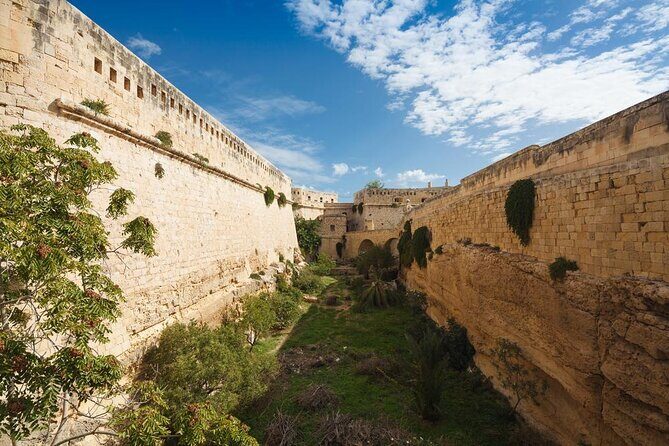
Valletta is one of those rare capitals where you can’t separate the past from the streets. This tour leans into that. You start near Valletta’s gates in central Valletta, then move into the tight honey-stoned streets that make the city feel like a fortress even today.
The best part is the way your guide frames the timeline. You don’t just get a list of dates—you get the logic of why Valletta mattered so much from 1940 into 1943. Malta’s war role escalated when Italy declared war in 1940 and the island became a stepping stone for Axis pressure toward North Africa. From there, the story becomes about endurance: sustained bombardment, shortages, and the constant effort to keep people alive and functioning.
And yes, it’s a walking tour. Expect a steady amount of pavement, with some uphill bits and steps. That physical reality helps the history feel believable.
Other Valletta tours we've reviewed in Malta

Siege of Malta Sites: Siege Bell, Opera House Ruins, and Memorials
The Siege of Malta is the backbone here, and the route uses that backbone like a map. One of the emotional anchors is the Siege Bell Memorial, which looks out over the Grand Harbour. From that viewpoint, the war story stops being abstract. You get a sense of what was being protected—and what was being targeted.
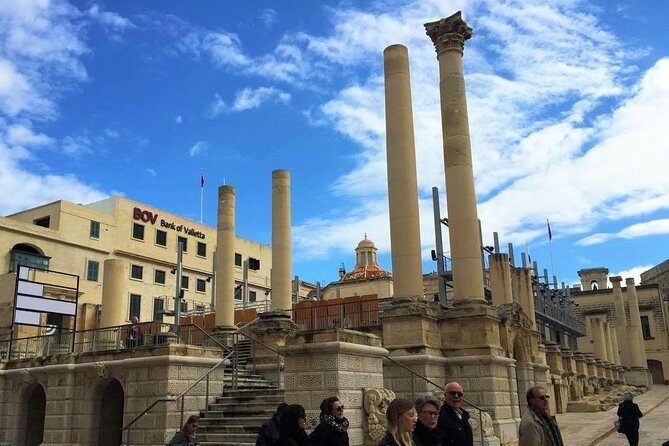
You’ll also see the ruined shell of the Royal Opera House, destroyed in a German bombing raid in 1942. Even if you’ve never heard of Valletta’s opera before, the contrast hits: a grand cultural space reduced to damage and silence. That’s what this tour does well—turns “important” into visible.
Along the way, commemorative statues and memorials come up as part of the narrative, not as random photo stops. It’s the difference between “I saw a plaque” and “I understand why this place is remembered.”
How Valletta’s Tunnels and Victory Kitchens Changed Daily Life
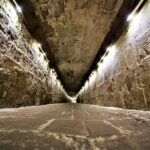
What I like most about this tour is that it doesn’t leave you with only explosions and medals. You’ll learn about Valletta’s wartime tunnels built to shelter residents. In a city where buildings are close and streets are tight, the idea of moving life underground becomes practical—almost architectural.
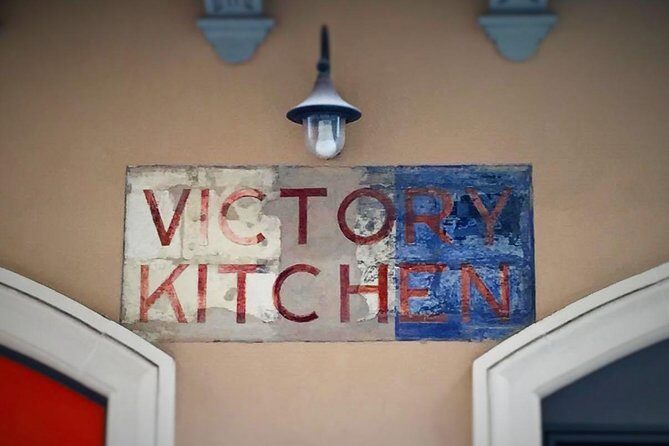
Then comes a topic that sounds almost too ordinary to belong in a war story: community kitchens, often called Victory Kitchens. Your guide explains how they were set up to feed people during bombardments and shortages. You can feel the intent behind the scenes: not heroic speeches, but systems—logistics, distribution, and the stubborn act of keeping meals moving even when everything else is breaking.
This part is especially valuable if you’re the type who worries that WWII tours can turn into a dry lecture. Here, the daily-life angle adds weight and balance. War isn’t only what’s happening above ground; it’s what people manage to keep working below it.
The Grand Harbour Stories: Illustrious Blitz, Convoys, and Supply Pressure
Valletta’s harbour makes it a character in the story. The tour brings in key events connected to naval and air pressure on the island, including the Illustrious Blitz in 1941—when Axis forces repeatedly bombed the HMS Illustrious aircraft carrier in the Valletta area.
You’ll also hear about the Battle of Grand Harbour, plus events such as the San Marija Convoy. The takeaway you want here is the supply pressure. Malta’s survival depended not just on resisting attacks, but on getting supplies in despite risk and blockade-style conditions. When your guide ties these events to where you’re standing, it makes the harbour feel like the living center of the war.
If you’re a ship-and-aircraft person, this will feel satisfying. If you’re not, it still works because your guide keeps pointing back to what it meant for people on the island.
Fort St Elmo and the National War Museum (George Cross Included)
By the time you reach Fort St Elmo, the tour shifts from outdoor storytelling to exhibits and evidence. The National War Museum at Upper Fort St Elmo is where the personal, local history gets broader context through displays, audio-visuals, and the objects that survived—or were preserved.
One highlight you should plan around is the 1942 George Cross awarded to the population for courage. Seeing a medal isn’t the same as reading about bravery, because the exhibit framing makes it feel like a collective recognition, not a distant honor.
Your guide doesn’t just send you off with a map either. The tour includes a guided visit through the museum so you know what to look for and how the exhibits connect to what you saw outside. That’s a big value point. Lots of history experiences lose momentum when guests are handed over to a self-guided museum plan. Here, you keep moving with context.
Practical note: museum admission isn’t included in the tour price, so budget extra for that ticket.
Other private guided tours we've reviewed in Malta


Price and Value: What $373.48 Buys for Up to Four
The price listed is $373.48 per group (up to 4) for about 3 hours. On its face, that’s not “cheap.” But it’s also not trying to be.
This is where private value shows up: you’re paying for a guide who can match your interests, pause as needed, and connect dots across multiple sites without rushing you through. If you’re traveling as a pair, the per-person cost can feel higher. If you’re a family or small group of four, the price becomes much more reasonable.
I’d think of it this way: for a group, you’re buying time with a good explainer plus the benefit of having the WWII story organized into a walking route. For many people, that’s the difference between a scattered set of monuments and a coherent understanding of why Valletta mattered during 1940-42.
Booking further ahead can help, since the tour is frequently reserved about a month in advance.
Pace, Comfort, and What to Bring on This Valletta Walk
This tour is described as having a moderate physical fitness level. Based on what’s been emphasized by past guests, you should prepare for:
- Hard stone walking
- Uneven surfaces
- Uphill sections at times
- Some stairs, especially as you move toward Fort St Elmo
So bring good shoes you can trust. Also plan for sun and hydration; Valletta weather can turn a simple walk into a sweat test. If you tend to get tired on stone streets, pace yourself early and use the breaks your guide offers.
The upside: you’re not doing this alone. A private guide can slow down for your group and shift the rhythm when needed.
Who This Private WWII Walking Tour Is Best For
This is a smart pick if you want WWII history with a human scale:
- You care about Malta’s Siege of Malta story, not just famous battles.
- You want a clear timeline with key events like the Illustrious Blitz, Battle of Grand Harbour, and San Marija Convoy.
- You like tours led by locals who can connect buildings and monuments to lived experience.
It also makes sense if your group includes at least one “history person.” The museum stop, the George Cross exhibit, and the tunnel-and-kitchen story reward attention.
If you’re hoping for a low-effort, mostly-flat stroll, you might find the pace and terrain demanding. But if you can handle a couple hours of walking on old streets, the payoff is real.
Should You Book This Valletta World War II Private Walking Tour?
If your goal is to understand Valletta during WWII—not just photograph ruins—then I think this is worth booking. You get a guided route focused on the Siege of Malta, plus a guided museum visit at Fort St Elmo to connect the outdoor places to what’s preserved in exhibits. The private format matters here because it keeps the story organized and personal, and guides like Matthew and Mario have a reputation for making the history clear and story-driven.
Book it if:
- You want the Siege of Malta story tied to specific sites.
- You’ll value a guided National War Museum visit (and you’re willing to pay the museum ticket separately).
- You can walk on stone streets for about three hours.
Skip or reconsider if:
- Stairs and uphill walking are a deal-breaker.
- You prefer self-guided museum time only, with no guided explanations.
If you do book, pack for comfort (shoes, water, sun protection), and plan your day so you can also enjoy Fort St Elmo and the surrounding area after the tour—since Valletta keeps giving you history once you start noticing it.
FAQ
How long is the Valletta World War II private walking tour?
The tour lasts about 3 hours.
How much does the tour cost and how many people can join?
It costs $373.48 per group, up to 4 people.
Where does the tour start and end?
You meet near Victoria Gate in central Valletta, and the tour ends at Fort St Elmo and the National War Museum area.
Is the National War Museum ticket included?
No. The guided museum visit is included, but the museum ticket is not included.
What language is the tour offered in?
The tour is offered in English.
Do I need to have a car or hotel pickup?
No hotel pickup or drop-off is included. It’s near public transportation, and you meet at the stated location.