REVIEW · MALTA
Private Boat Tour of the Grand Harbour on the Island of Malta
Book on Viator →Bookable on Viator
Malta looks bigger from the water. This private Grand Harbour boat tour gives you close-up views of Valletta’s fort ring and the forts guarding the harbor, with a calm guide narrating what you’re actually seeing. It runs about 35 minutes, so it fits neatly into a busy day without turning your schedule into spaghetti.
I love the way the boat experience stays relaxed even when weather gets choppy; the guide (Keith) keeps things steady and the ride still feels comfortable. I also love the stop-by-stop storytelling, from Fort St Elmo’s Knights-era defenses to what remains at Fort St Michael in Senglea. One possible drawback: the whole experience is short, so if you’re hoping for long time on land at every fort, this format might feel a bit quick.
In This Review
- Key highlights at a glance
- Why this private boat tour works in Malta
- From Valletta’s waterfront to Fort St Elmo’s defenses
- Valletta from the sea: fortifications, churches, and the big picture
- Grand Harbour: where prehistory meets World War II
- Fort Ricasoli: the big fort guarding the entrance
- Fort St Angelo and Fort St Michael: Birgu to Senglea
- Timing, weather, and waves: what to plan for
- Price and value: what $40.36 buys you
- Who should book this (and who might skip it)
- Should you book the Private Boat Tour of the Grand Harbour?
- FAQ
- Is this a private boat tour?
- How long is the boat tour?
- What language is the tour offered in?
- Where do we meet for the tour?
- Which areas and forts are included in what you see?
- Do they use a mobile ticket?
- What happens if the weather is poor?
- Are service animals allowed?
Key highlights at a glance
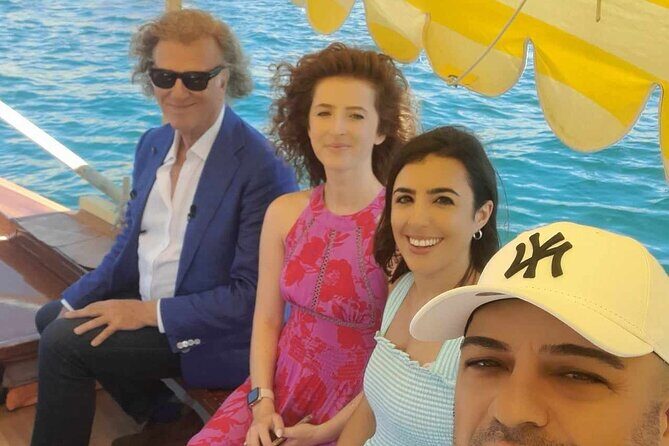
- A private boat ride on a clean, well-kept vessel just for your group
- Forts you can spot from the harbor entrance, including Fort St Elmo and Fort Ricasoli
- Real history tied to specific angles and buildings, not generic facts
- Keith’s calm, friendly style, even when rain or waves show up
- Flexible route feel (you can choose the one-way or the round-trip approach)
Why this private boat tour works in Malta

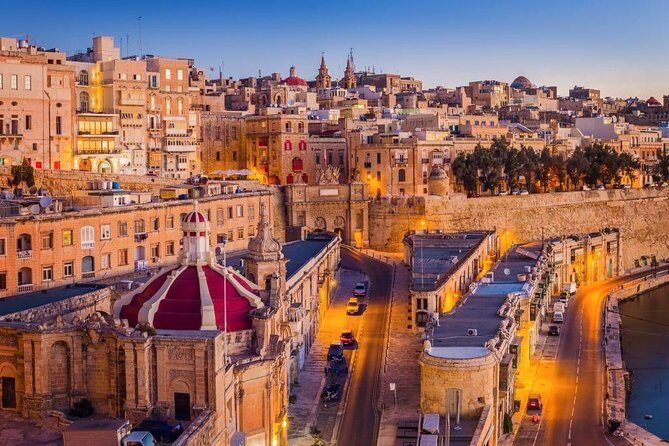
A harbor tour is one of the fastest ways to understand Malta’s geography. Valletta sits like a stone crown, and the Grand Harbour is the reason it matters. From the water, you get the layout in minutes: where the peninsulas split the bays, how the Three Cities face Valletta, and why so many forts cling to points and hilltops.
This tour keeps the experience practical. It’s only about 35 minutes, and it’s private, meaning you’re not trapped in a crowd rhythm. If you like photos, you’ll have time for them without constantly waiting for the whole group to catch up. If you prefer quiet sightseeing, you can enjoy the views at a slower pace.
And the guide makes a big difference. Many boat tours stop at names on a map. This one actually connects the dots while you’re passing the sites—so you don’t just see Fort St Elmo in the distance, you understand why it was built so aggressively and what events battered it later.
Other private boat charters we've reviewed in Malta
From Valletta’s waterfront to Fort St Elmo’s defenses
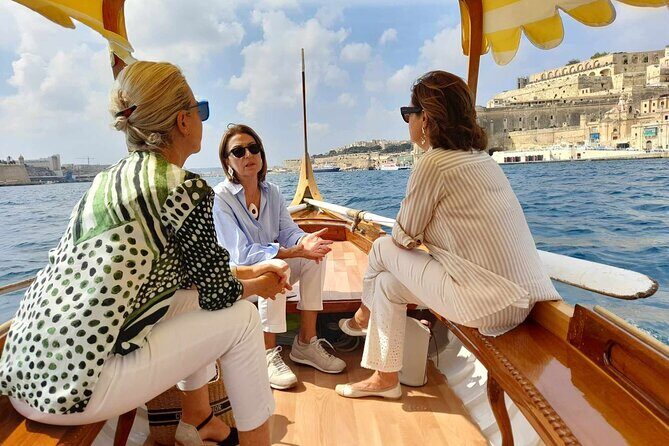
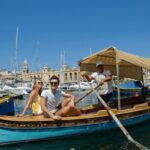
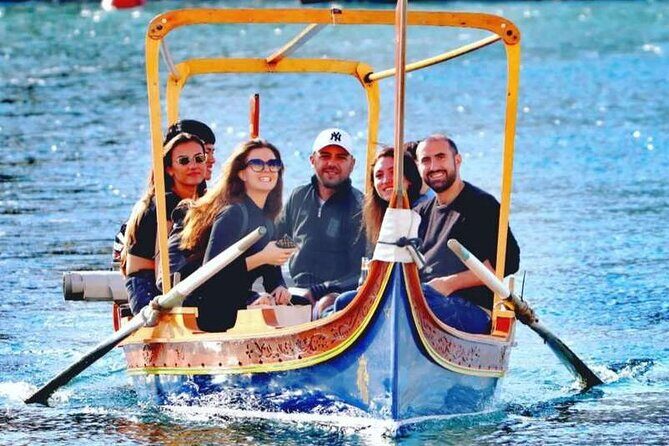
You start in Valletta, at Gondola trips, on Liesse (Il-Belt Valletta, Malta). The experience circles back to the same meeting point at the end, so you’re not forced into a second transport plan just to get home.
The first major sight is Fort St Elmo, perched in Valletta with a commanding view over the Grand Harbour. Built by the Knights in 1552 in just four months, it’s the kind of fort you can feel even if you don’t walk inside. The stories tied to it matter: it took pressure from Ottoman arms during the Great Siege of Malta, and it also absorbed bombardment in World War II.
Here’s what you’ll appreciate from the boat: the way the fort’s position lines up with the harbor. When you’re floating at water level, fortifications stop being abstract. They become tools—built to resist attacks, control approaches, and hold ground when everything else looks open.
Fort St Elmo also connects to the National War Museum. You’ll see references to the George Cross, plus aircraft wreckage, weapons, and military vehicles. You don’t have to be a museum person to find this relevant. It’s the same site, but viewed through a different lens: the harbor lens.
Valletta from the sea: fortifications, churches, and the big picture
Valletta isn’t only “pretty.” It’s engineered. Even when you’re not stepping onto a bastion, you can still read the city’s fortifications—bastions, curtains, and cavaliers—as part of how Malta defends itself. From the harbor, those shapes make sense because you’re seeing where fire lines and chokepoints would matter.
You’ll also pick up why the city is so famous for Baroque palaces, gardens, and churches. The boat doesn’t turn Valletta into a postcard. It frames those buildings inside the wider defensive system, so you see how the aesthetic and the military planning share the same canvas.
If you’re short on time in Valletta, this part is a gift. You get a “first bearings” view without hunting down multiple viewpoints. It’s also a good match for people who want a comfortable activity that still feels like they’re doing something meaningful, not just passing time.
Grand Harbour: where prehistory meets World War II
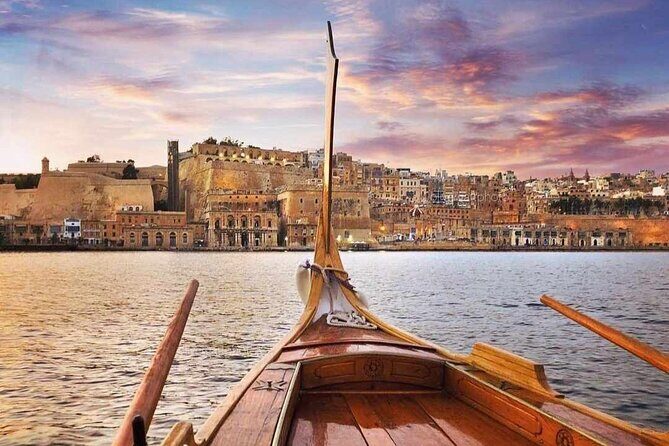
The Grand Harbour is the star here, and it has layers you can literally sail past. The area dates back to prehistoric times around 3700 BC, which sounds wild until you realize the harbor’s job never changed: it’s a natural place for ships to gather and for powers to compete.
As you cruise, you’ll notice the harbor’s structure. The Sciberras peninsula shapes the north-west shore and separates Grand Harbour from Marsamxett Harbour. On the south-east side, it’s inlets and headlands—like Rinella Creek, Kalkara Creek, Dockyard Creek, and French Creek—with the Three Cities of Cospicua, Vittoriosa, and Senglea sitting in the story.
Now for the dramatic part, because Malta doesn’t do light and fluffy history. The harbor served as the base for the Knights of St John for 268 years, then the British for another 170 years after the Knights departed. The late 16th century also brought a devastating tornado that killed 600 people and destroyed a shipping armada.
And in the 20th century, the harbor again became a target. During the Second Siege of Malta in World War II, docks and military installations around the port were hit because Axis bombers treated them as legitimate objectives.
This is why a harbor boat tour is such good value. You’re not touring facts. You’re seeing how geography shaped every era’s decisions—from knights to empire to modern conflict.
Fort Ricasoli: the big fort guarding the entrance
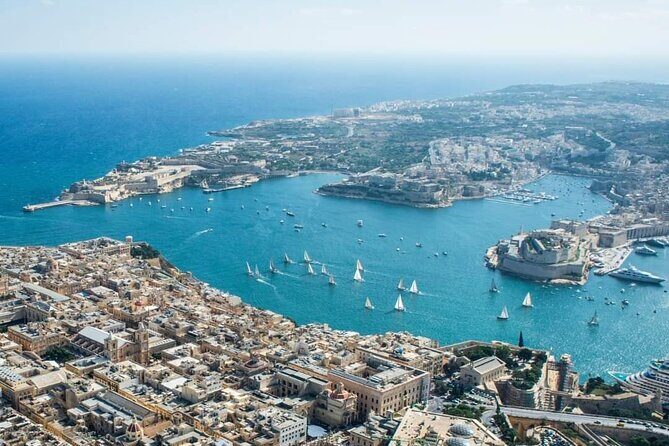
Fort Ricasoli is where the harbor entrance comes into focus. It’s described as the largest fort in Malta, and it makes sense why: it occupies a promontory over the Grand Harbour entrance. Building began in 1670 and finished in 1698, so it’s not a quick patch—it’s a long project with serious intent.
One detail I really like here is the naming. The point is associated with Gallow’s Point, tied to the execution of two slaves who tried to escape. It’s a reminder that even the most strategic places had harsh human stories behind them.
In the late 18th century, the fort helped resist a French assault. Then negotiations between the French and the Order of St John led to the Order handing over the Maltese Islands. Other forts surrendered after that, and Napoleon landed at this fort soon after.
Then World War II steps in again. In 1941, Fort Ricasoli served as protection for Malta. The British equipped it with guns, and it helped protect the Grand Harbour entrance during an attack by an Italian flotilla. Today it’s also used as a location for international movies, which is a fun modern wink: the fort still has cinematic angles even after all the battles.
From the boat, the main payoff is the perspective. Fort Ricasoli doesn’t feel like a static monument. It feels like a tool placed where the water forces choices.
Other harbour cruises we've reviewed in Malta
Fort St Angelo and Fort St Michael: Birgu to Senglea
Next comes a stretch that many people love because it shifts from one viewpoint system to another. After 1530, the Knights of St John remodeled what became Fort St Angelo on the Birgu peninsula into their headquarters. You’ll hear how they added artillery platforms and how this marks a move toward the bastioned system of defense in Malta.
World War II doesn’t spare it here either. The fort suffered 69 direct hits, yet it continued as a shore establishment of the Royal Navy in Malta until the last detachment of foreign forces marched out in March 1979.
If you like history that has consequences, this stop does it. Forts in wartime aren’t just “old buildings.” They’re active infrastructure. Seeing Fort St Angelo from the water helps you understand why it had to be built where it is, and why it endured so much pressure.
Then the route reaches Fort St Michael in Senglea. This story begins after an Ottoman attack in 1551, when the Order decided to fortify the peninsula then known as Isola di San Michele. The fortified city of Senglea grew around the fort.
During the Great Siege of 1565, Fort St Michael withstood 10 attacks from the Ottomans and never fell into enemy hands, even with extensive damages. After the siege, it was rebuilt as Saint Michael Cavalier and completed in 1581. Today, only the outer bastions remain, which gives this stop an “edge of the past” feel—less complete than some sites, but still unmistakably tied to the original purpose.
On a boat, you don’t need to physically enter the walls to grasp the meaning. Passing these points gives you the sense of a defensive ring protecting Malta’s harbor lifeline.
Timing, weather, and waves: what to plan for
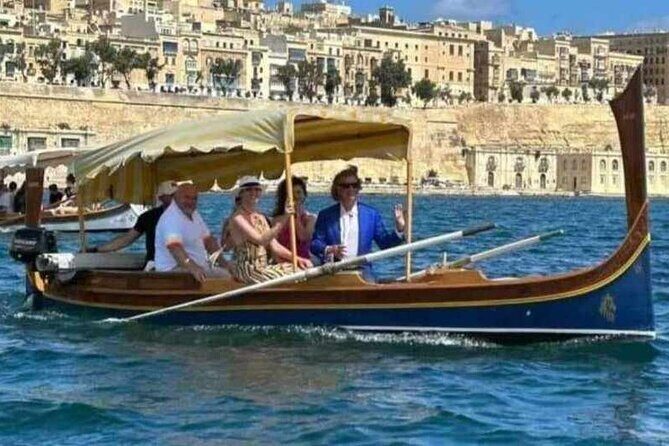
This experience does require good weather. That’s not a small fine-print detail; it’s a core part of how comfortable the ride stays.
The good news from real-world experience: even when rain or higher waves show up, the tone stays calm. One review highlighted getting caught in a rain storm or choppy water and still feeling looked after. That’s exactly what you want on a short harbor cruise—someone who doesn’t panic, and a plan that keeps you safe and comfortable.
Practical advice:
- Bring a light layer you can keep on. Malta weather can change fast.
- If you’re going for photos, consider going at a time when you’ll have good light and still be comfortable if the wind picks up.
- If you’re prone to seasickness, this is short at 35 minutes, but rough weather can still feel rough. Use your judgment.
If the tour is canceled due to poor weather, you should expect a different date or a full refund. That matters because you’re not tying up your whole trip for one fragile window.
Price and value: what $40.36 buys you
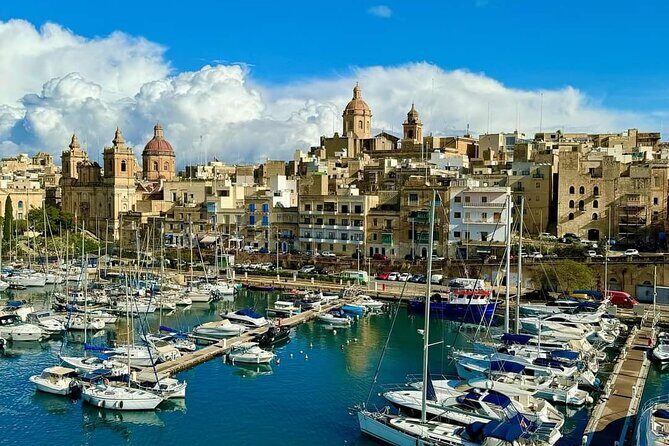
At $40.36 per person for about 35 minutes, this isn’t an “all-day sightseeing deal.” It’s a focused hit: you’re paying for the ability to see multiple major harbor sites from the water without walking a marathon or spending hours in transit.
The value comes from four things:
1) Private format: you’re not sharing the boat space with a crowd, which makes it easier to hear the narration and keep your pace.
2) Multiple forts and viewpoints in a single route: Fort St Elmo, Fort Ricasoli, Fort St Angelo, and Fort St Michael are not small stops.
3) English narration and a friendly, steady guide style: this keeps the ride relaxing, not like a history lecture in a wind tunnel.
4) A simple wraparound plan: start in Valletta and end back at the meeting point.
Also, the tour is flexible in how you experience it. One comment mentions the choice between a one-way or a more “road trip” style route. That flexibility can be a big deal when you’re trying to build a day that includes other stops in Malta.
If you’re trying to cover Valletta and the Three Cities area but don’t want the time sink of long transport loops, this price feels fair for what you get.
Who should book this (and who might skip it)
This works best for:
- First-time Malta visitors who want a harbor orientation fast
- People who like history but don’t want museum time every hour
- Families with kids who need something short and not too complicated; the tour has been done with an almost 4-year-old and still felt enjoyable
- Anyone who wants a comfortable, private activity with excellent views
You might consider something different if:
- You want long time on land at each fort (this is primarily a boat-view experience)
- Weather is unpredictable for your dates and you don’t want to gamble, even with refund options
- You prefer large-group cultural tours with lots of walking
Should you book the Private Boat Tour of the Grand Harbour?
Yes, if your goal is to understand Malta quickly and enjoy a clean, calm private boat ride with a guide who connects what you see to what happened there.
My call: book it if you can line up with good weather, want views of Valletta plus the harbor defenses, and appreciate a narration-led trip that doesn’t eat your whole day. If you’re the type who loves a short, high-impact activity with a relaxed pace, this hits the sweet spot.
FAQ
Is this a private boat tour?
Yes. It’s a private tour/activity, and only your group participates.
How long is the boat tour?
The duration is about 35 minutes.
What language is the tour offered in?
The tour is offered in English.
Where do we meet for the tour?
The meeting point is Gondola trips, 59 Liesse, Il-Belt Valletta, Malta. The activity ends back at the meeting point.
Which areas and forts are included in what you see?
You’ll pass or view Fort St Elmo in Valletta, the Grand Harbour area, Fort Ricasoli, Fort St Angelo on the Birgu peninsula, and Fort St Michael in Senglea, along with the wider Valletta/harbor view including the Three Cities area.
Do they use a mobile ticket?
Yes, this experience includes a mobile ticket.
What happens if the weather is poor?
The tour requires good weather. If it’s canceled due to poor weather, you’ll be offered a different date or a full refund.
Are service animals allowed?
Yes, service animals are allowed.