REVIEW · MALTA
Prehistoric Temples of Malta Tour
Book on GetYourGuide →Operated by Supreme Travel Limited · Bookable on GetYourGuide
Prehistoric sites usually come with a lot of rules. Here you get guided context plus real up-close stonework in about half a day. You’ll visit the megalithic temples of Hagar Qim and Mnajdra (UNESCO World Heritage), then head to Ghar Dalam Cave & Museum to see prehistoric animal bones and fossils.
I especially like how the tour is built around two standout temple stops that sit close together but feel very different in mood and construction. I also like that your guide explains what you’re looking at in practical terms, with real storytelling that helps the sites make sense instead of just looking old.
One thing to consider: the timings are tight, and you’ll do some walking and uphill stretches between stops. If you want long, slow wandering, you may wish you had more time at the temples.
- Hagar Qim and Mnajdra together, so you can compare two major temple sites in one morning
- UNESCO-listed Megalithic Temples of Malta, dated around 5,500 years old and described as the oldest free-standing stone structures in the world
- Ghar Dalam Cave & Museum pairs a cave visit with a museum focused on prehistoric animals
- Hamrija Tower near the temples ties the visit to Knights of Malta-era watchtower history
- Hotel pickup and drop-off across multiple bayside towns, so you don’t have to coordinate transport
- Live multilingual guide in English, German, Italian, and French
In This Review
- First Thing to Know: You’re Visiting Malta’s Stone Time Capsule
- Meeting Up and Moving Around: Pickup Times That Control Your Day
- Hagar Qim: The Southern Ridge Temple You Can Actually Read
- Mnajdra: Why People Call It the Best Example Still Standing
- The Hamrija Tower Detail: A Quick Bridge to Knight-Era Malta
- Ghar Dalam Cave & Museum: Bones, Fossils, and the Scale of the Cave
- How the Guide Changes Everything (Especially on a Short Tour)
- Price and Value: What $59 Buys You in Malta Time
- Who This Tour Fits Best (And Who Might Want to Skip)
- Small Practical Tips That Make the Tour Smoother
- Should You Book the Prehistoric Temples of Malta Tour?
- FAQ
- What’s included in the Prehistoric Temples of Malta Tour?
- How long is the tour?
- Which sites are visited during the tour?
- Are entrance fees included?
- What languages do the live guides speak?
- Where does pickup happen?
- What time is pickup in Valletta?
- What should I bring?
- Is there free cancellation and a reserve-pay-later option?
First Thing to Know: You’re Visiting Malta’s Stone Time Capsule
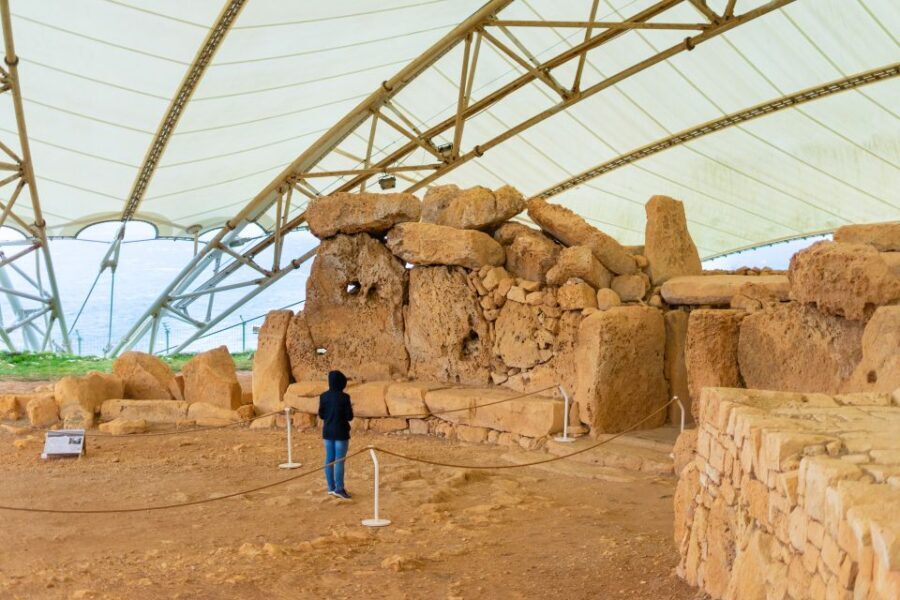
This is the kind of tour that makes prehistoric history feel physical. The megalithic temples of Malta are not behind glass or in a museum building. They’re outside, in the Mediterranean scrub, on ridges, and made from local limestone that you can see and understand in person.
The tour is designed as a fast route through three different kinds of evidence: the temples themselves, the nearby Hamrija watchtower area, and the cave museum where you get clues about the animals and environment of Malta’s deep past. At a glance it looks like a basic “temples + cave” combo. In practice, it’s a good way to build a picture of how people lived and how the island changed over thousands of years.
You’ll also get morning access and transportation included, which matters in Malta. Morning starts keep you away from the busiest later hours and save time that you’d otherwise spend figuring out buses or taxis.
Meeting Up and Moving Around: Pickup Times That Control Your Day
The tour runs about 4.5 hours, but your personal timeline depends on the pickup point you’re assigned. Pickup times are staggered across Malta, including:
- Valletta: 08:40 hrs
- St. Julian’s: 09:10 hrs
- Sliema: 08:55 hrs
- St. Paul’s Bay: 09:00 hrs
- Bugibba: 09:05 hrs
- Qawra: 09:10 hrs
- Mellieha: 08:40 hrs
- Cirkewwa: 08:30 hrs
- Attard: 08:30 hrs
- Xemxija: 08:50 hrs
- Golden Bay: 08:50 hrs
That structure is a value-add. You don’t need to plan transport, and you can use the ride time to get oriented. One practical tip: the day before your tour, you’ll receive an email with the pickup point and pickup time. Since those details are time-sensitive, make a point to check your email the evening before, not just in the morning.
Other prehistoric temples tours we've reviewed in Malta


Hagar Qim: The Southern Ridge Temple You Can Actually Read
Hagar Qim is one of the reasons this tour works. It’s built from soft globigerina limestone and sits on a ridge on southern Malta, which gives it a strong sense of location. The stone isn’t just decorative; it’s part of the story. When a temple is made from locally available limestone, you can start imagining how builders sourced, shaped, and transported materials with the tools they had.
At Hagar Qim, the guide’s job is to help you “see” the design. The temples are megalithic, meaning huge stone blocks arranged with a purpose. The interesting part is that you can often spot how spaces and openings guide movement. Even if you don’t know the era’s details, you can still pick up the logic: this wasn’t casual stone stacking—it was architectural planning.
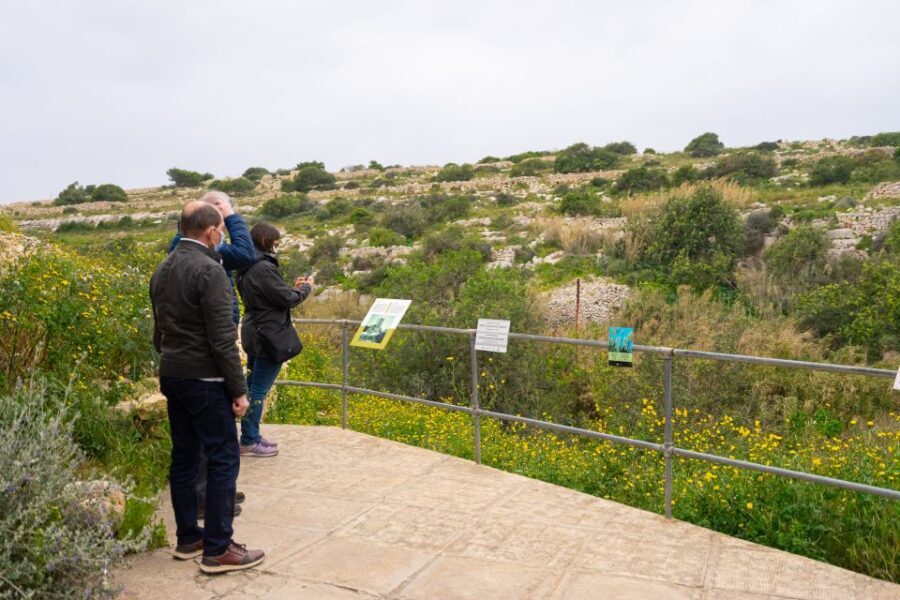
What I like most: you’re not only seeing ancient walls. You’re seeing how those walls relate to the view and the environment around them. The surrounding area is typical Mediterranean garrigue—low scrub and a stark, dry look—plus it’s designated as a Heritage Park. That matters because it’s a reminder that the “ruins” are part of a living landscape, not an isolated set.
Possible drawback: Hagar Qim is on uneven ground and the tour timing is limited. Wear comfortable shoes and plan for a bit of walking on the ridge.
Mnajdra: Why People Call It the Best Example Still Standing
Right next door is Mnajdra, and it’s considered one of the best examples of Maltese megalithic architecture still standing. The temple complex has a different feel than Hagar Qim. Where Hagar Qim can feel like a major stone presence on the ridge, Mnajdra often feels like architecture that rewards slow attention—especially because you can compare features as you move.
If you’re a first-time visitor, Mnajdra is the stop where the whole “prehistoric temple” idea clicks. The guide can point out how the stones create rooms and corridors and how the design suggests ritual use. This is the kind of explanation that helps you get beyond the headline facts and start noticing structure.
One practical note: there’s a walk involved between the temple stops, and you’ll be going uphill at least part of the way back. That’s not a reason to skip the tour. It is a reason to come ready to walk and to keep water in mind on warmer days.
The Hamrija Tower Detail: A Quick Bridge to Knight-Era Malta
Between the temples and in the general area, you’ll also notice Hamrija Tower, one of Malta’s 13 watchtowers built by Grand Master Martin de Redin. It’s not a “prehistoric” stop, but it’s a smart connection.
Here’s why I think it’s worth including: your brain naturally wants a straight line through time. Hamrija Tower disrupts that and shows that Malta’s coast has been watched and used for centuries. You go from megalithic stone spaces to coastal defense logic—same island, different problem, different era.
If you like small added context points like this, you’ll appreciate the way the tour keeps Malta’s history layered rather than separated into isolated “chapters.”
Ghar Dalam Cave & Museum: Bones, Fossils, and the Scale of the Cave
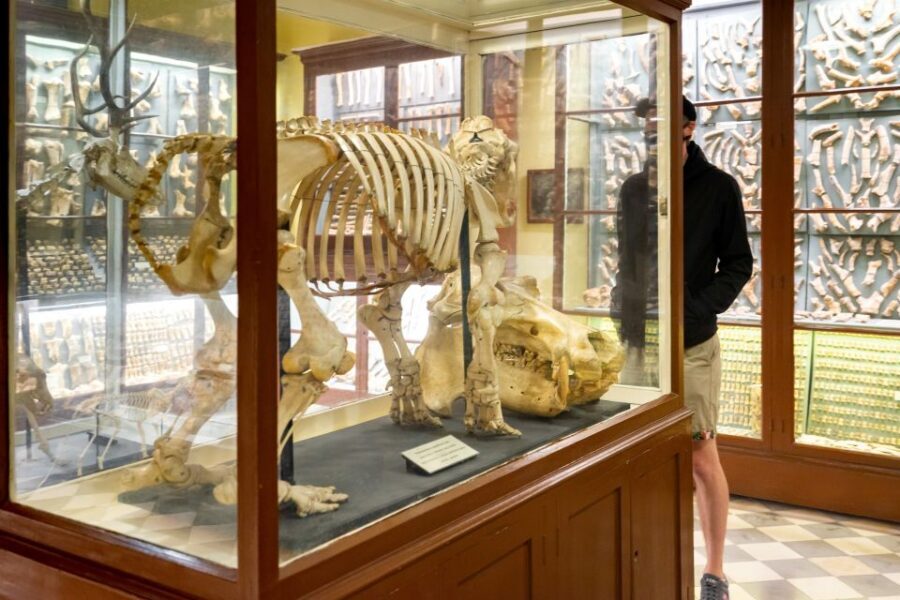
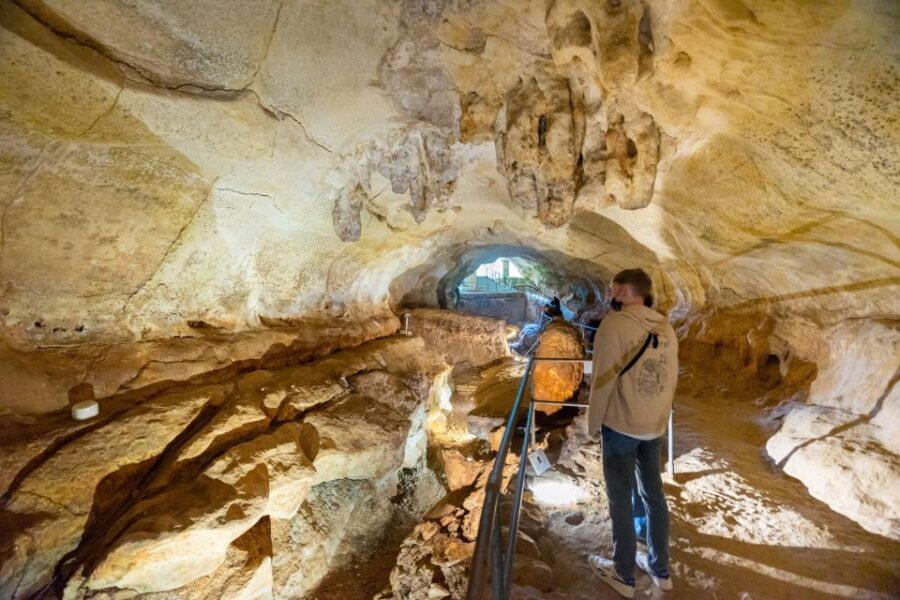
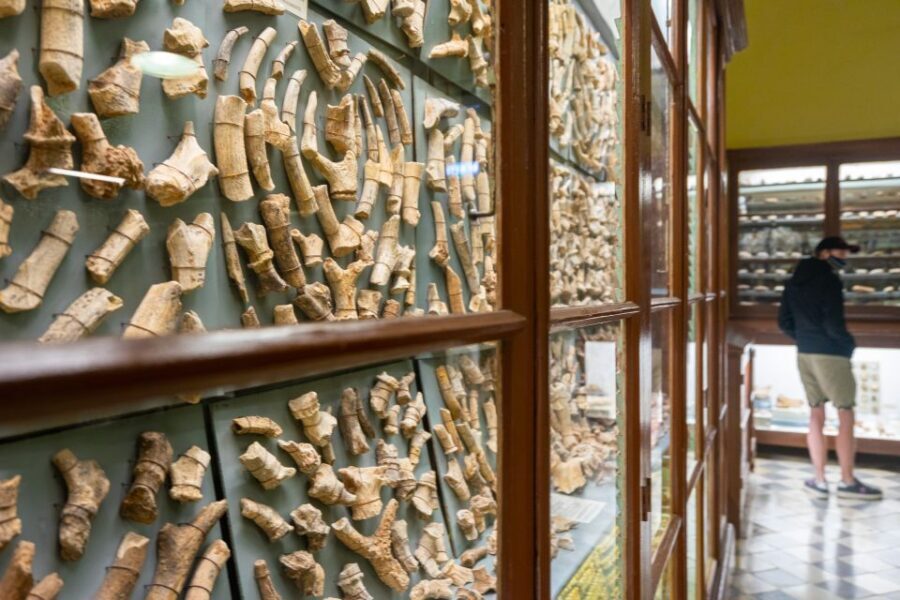
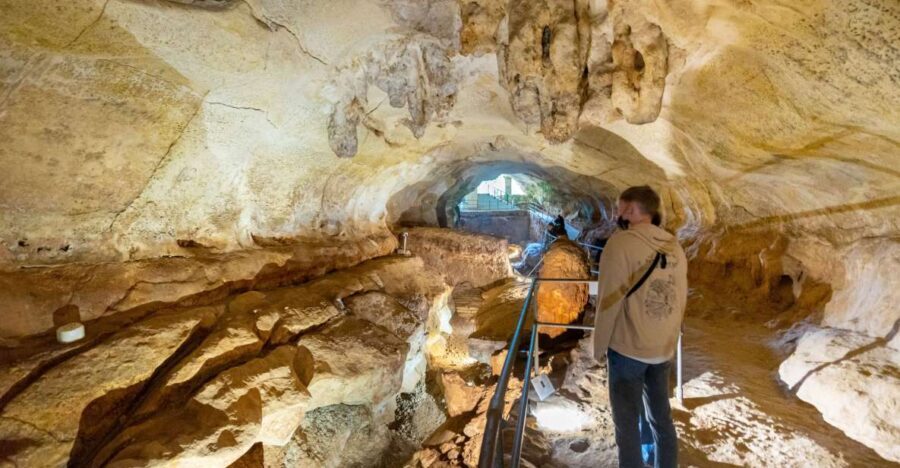
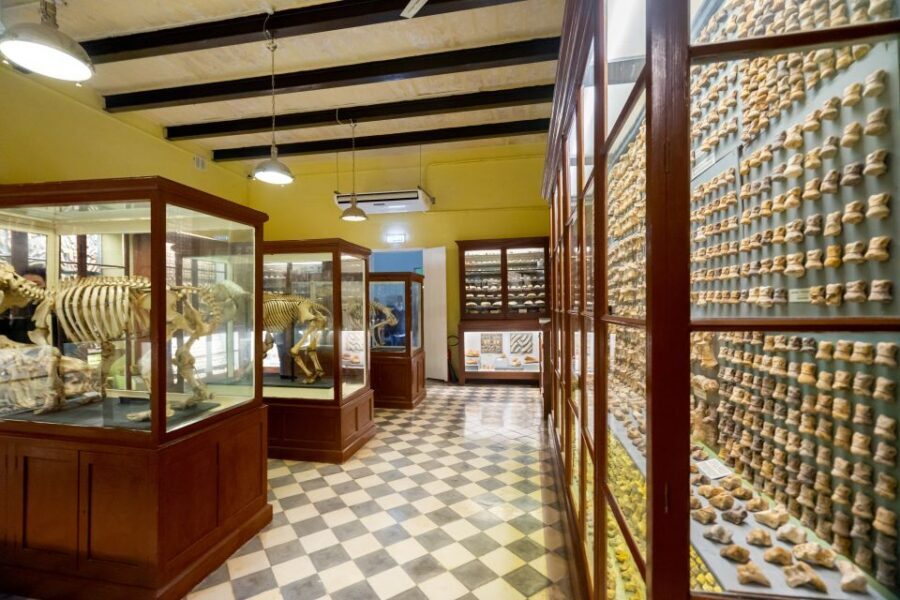
After the temple portion, you’ll visit Ghar Dalam Cave & Museum. This stop adds a different type of evidence: not built stone, but prehistoric animals and the record they left behind.
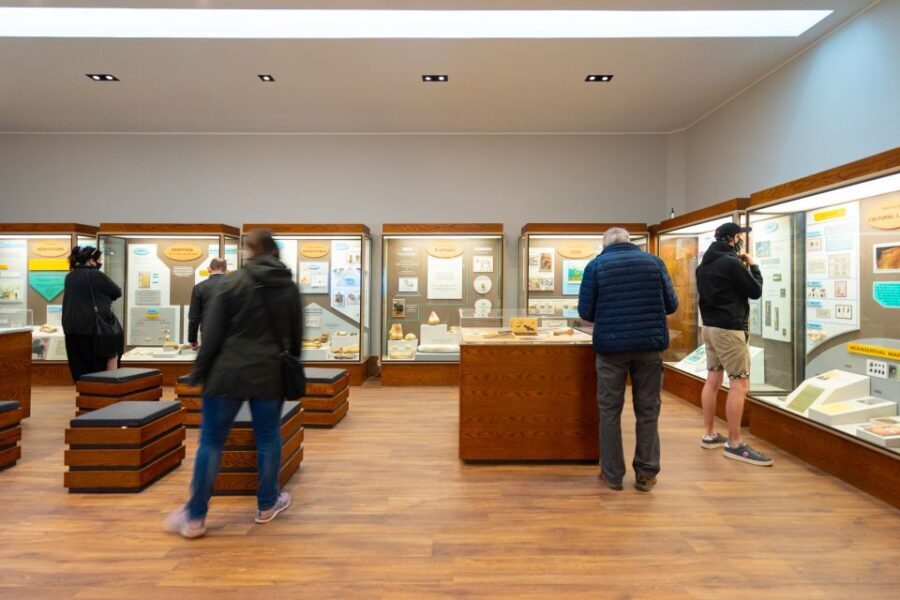
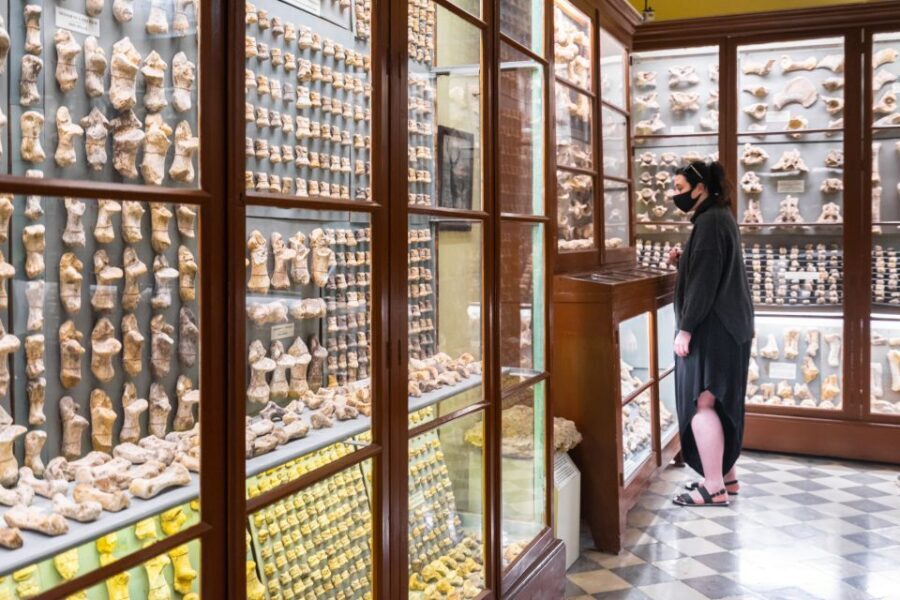
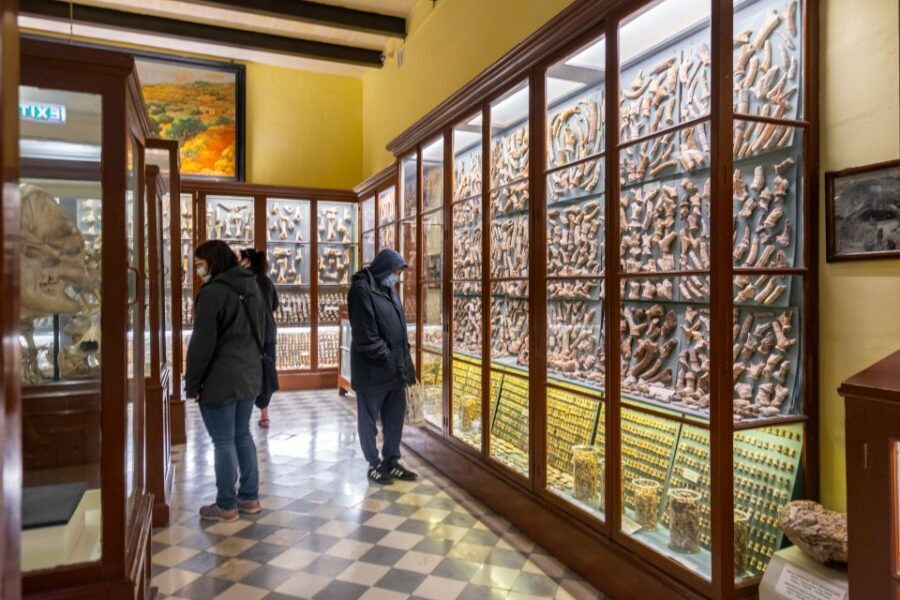
Even though it’s called a cave, the experience is really about the museum collection tied to prehistoric Malta. The museum displays bones and skeletons of species that lived in Malta during the prehistoric era, which helps you understand what the environment was like when these temples were being used. That’s a meaningful contrast to the temple stones. Temples tell you what humans built. The museum tells you what surrounded them.
What’s the catch? The cave itself can feel limited in terms of dramatic formations, so your time is best spent focusing on the museum displays and the context your guide gives you. If you expect a huge underground show, calibrate your expectations and go for the evidence and interpretation.





How the Guide Changes Everything (Especially on a Short Tour)
A 4.5-hour tour lives or dies by the guide. This one uses live guides in English, German, Italian, and French, and the style you’ll experience is practical: your guide helps you connect design features to real human behavior.
I’m glad the reviews highlight guide consistency, because it’s a real issue on temple tours. You can stand in front of a stone wall for an hour and learn nothing. With the right guide, those stones turn into clues.
You might get guides such as Mark, Mario, Marco, or Marlon, and some are described as archaeologists or lecturers in their background. That background shows up as clear explanations and thoughtful pacing. One pattern you’ll likely notice: they warn you about physical demands up front (stairs, uneven ground, uphill return), and they make sure you know where the bus will be stopping on the way back.
Also, the multilingual setup can be a plus if you’re traveling with a mixed group. Some guides have been noted as explaining the same location details across multiple core languages so everyone follows along.
Price and Value: What $59 Buys You in Malta Time
At $59 per person for about 4.5 hours, this isn’t a bargain in the “throw you on a bus and hope for the best” way. It’s priced like a guided, organized morning with transportation and entrance fees included for Ghar Dalam Cave & Museum, Hagar Qim, and Mnajdra.
For me, the value comes from three things:
- You’re saving planning time. Pickup and drop-off across many towns mean you don’t have to coordinate separate transport.
- Entrance fees are included for the main paid sites, so you’re not doing arithmetic while you’re on vacation.
- You’re not just sightseeing. The guide’s explanations help you understand what you’re seeing in a short window.
Is it pricey for what it is? Some people felt that way. But if you treat it as a guided introduction plus logistics support, the cost starts to make more sense—especially if it’s your first morning in Malta and you want the high-impact sites without friction.
Who This Tour Fits Best (And Who Might Want to Skip)
This tour fits best if you want a strong first look at Malta’s megalithic temples without turning your day into a transportation puzzle.
You’ll likely enjoy it if:
- you’re into archaeology and want guided interpretation
- you have limited time and want Hagar Qim and Mnajdra in one go
- you like morning tours that avoid late-day fatigue
You might want a different plan if:
- you dislike walking uphill or want very long stops at each site
- you expect a cave with major showy formations and plan to spend most of your time underground
- you’re extremely budget-focused and would rather go fully independent
Small Practical Tips That Make the Tour Smoother
A few things that matter on this route:
- Bring comfortable shoes. The terrain can be uneven and the return walk can be uphill.
- Bring water. The region can get hot, and you’ll be moving through exposed areas.
- Watch for your pickup email. It’s supposed to arrive the day before with your pickup point and time, and some people reported late evening delivery.
- Go into it expecting a “guided highlights” pace. Many people love the balance, but if you want slow, deep museum time, you’ll probably feel time pressure.
If you’re the type who likes to follow up, you can also pair this tour with a later museum stop in Valletta for artifacts. That pairs nicely with how the cave museum gives you animal-era context.
Should You Book the Prehistoric Temples of Malta Tour?
If you have half a day and you want Malta’s megalithic highlights with low stress, I’d book it. The combination of Hagar Qim + Mnajdra plus Ghar Dalam Cave & Museum is a smart way to connect human-built sites with what life looked like around them.
Book it especially if:
- you want easy logistics (pickup and entrance fees handled)
- you value a guide who explains design and meaning, not just dates
- you’re visiting for the first time and want the “big three” prehistoric stops quickly
Skip or reconsider if you’re hoping for a long, slow temple day, or if uphill walking and short museum time would stress you out. For everyone else, this is a strong, organized way to understand why Malta’s prehistoric temples are so famous—and to leave with clearer questions instead of blank awe.
FAQ
What’s included in the Prehistoric Temples of Malta Tour?
The tour includes transportation, a live guide, hotel pickup and drop-off, and entrance fees for Ghar Dalam Cave & Museum, Hagar Qim Temples, and Mnajdra Temples.
How long is the tour?
The duration is 4.5 hours.
Which sites are visited during the tour?
You’ll visit Hagar Qim Temples, Mnajdra Temples, and Ghar Dalam Cave & Museum.
Are entrance fees included?
Yes. Entrance fees for Ghar Dalam Cave & Museum, Hagar Qim Temples, and Mnajdra Temples are included.
What languages do the live guides speak?
Live guides are available in English, German, Italian, and French.
Where does pickup happen?
Pickup is offered from multiple locations including Cirkewwa, Mellieha, Xemxija, Golden Bay, St. Paul’s Bay, Bugibba, Qawra, St. Julian’s, Sliema, Valletta, and Attard.
What time is pickup in Valletta?
Pickup in Valletta is listed as 08:40 hrs.
What should I bring?
Bring comfortable shoes.
Is there free cancellation and a reserve-pay-later option?
Yes. You can cancel up to 24 hours in advance for a full refund, and you can reserve now & pay later (book your spot and pay nothing today).