REVIEW · MALTA
Malta: Vintage Bus Ride through the Three Cities
Book on GetYourGuide →Operated by Supreme Travel Limited · Bookable on GetYourGuide
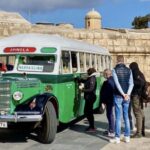
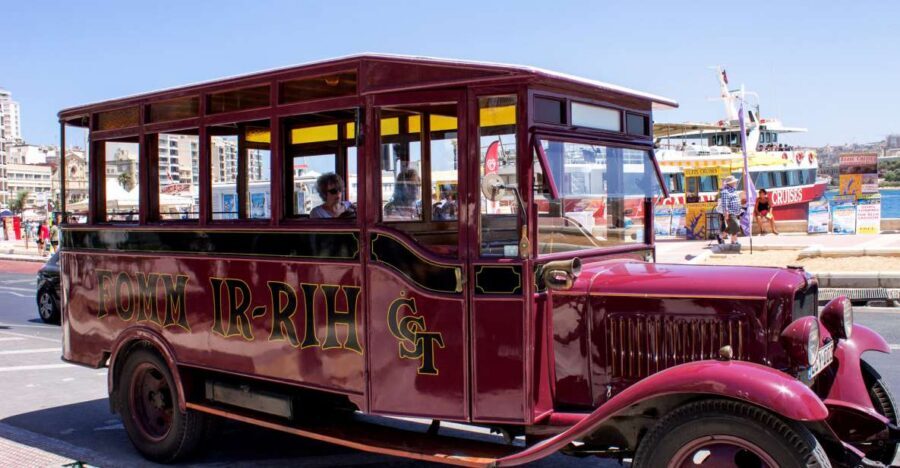
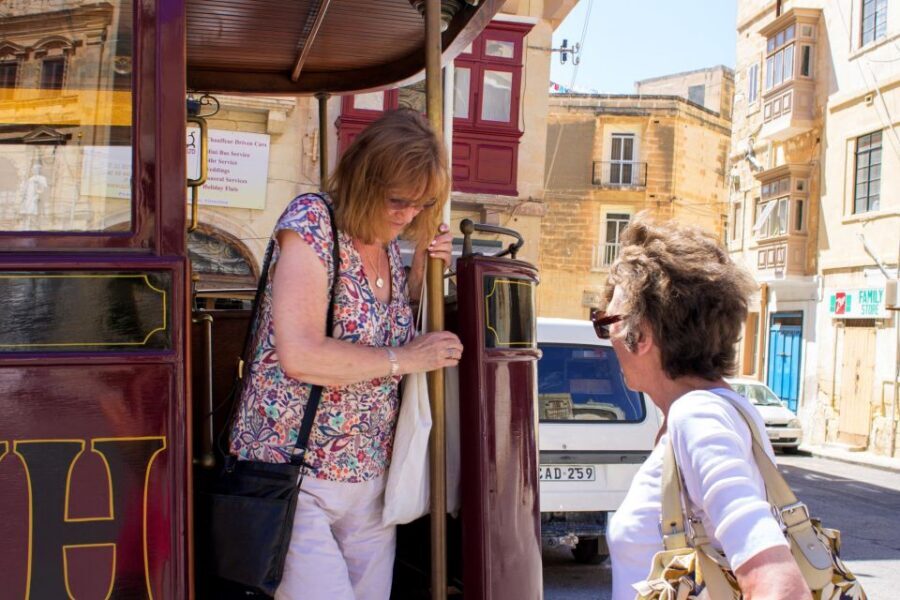
A 1928 bus brings history to street level. This Malta ride through the Three Cities is part sightseeing, part story time, with an expert English guide who connects the streets you see to the Great Sieges of 1565 and 1942. I like two things a lot: the vintage bus look and feel, and the way David’s commentary turns driving stops into clear, human-scale history.
You also get practical photo chances, not just a slow roll past buildings. That said, expect some road bumps and firmer seating than a modern coach, and the tour is not suitable for back problems—so plan accordingly.
In This Review
- Key Things You’ll Notice on This Three Cities Vintage Bus Ride
- Meeting Sliema Ferries and Finding David at 14:15
- The Drive Out: Valletta Views Plus Classic Harbor Neighborhoods
- Cospicua First: Fortification Walls and Neolithic Beginnings
- Vittoriosa, the Maritime Power: Waterfront, Galleys, and Museums
- Senglea’s Walled Town: The Land Bridge and L’Isola di San Giuliano
- Great Sieges 1565 and 1942: Why This Tour Feels More Coherent Than Usual
- Bus Comfort, Photo Breaks, and When Roads Get Messy
- Price and Value: Is $24 Worth 1.5 Hours?
- Should You Book This Vintage Three Cities Ride?
- FAQ
- Where does the tour start?
- What time should I arrive?
- How long is the tour?
- How much does it cost?
- What day of the week does it run?
- Is it available on public holidays?
- What language is the driver’s commentary?
- What’s included in the price?
- Are museum entrance tickets included?
- Is it suitable if I have back problems?
- Is there free cancellation?
Key Things You’ll Notice on This Three Cities Vintage Bus Ride
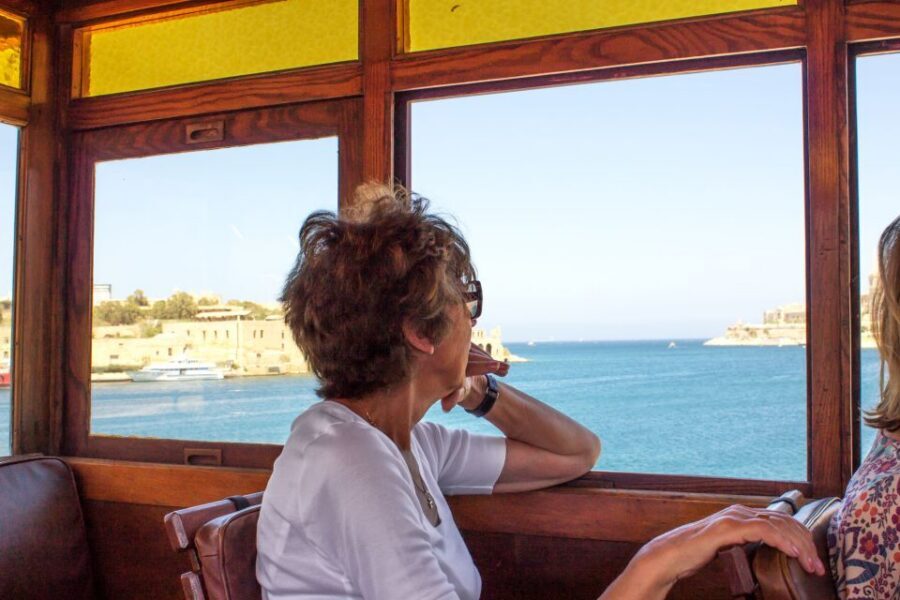
- David’s English commentary is the main event, with context at each turn, not a lecture with no payoff
- Vintage 1928 bus vibes make the ride feel like part of the trip, not just transport
- A planned loop that includes Valletta, Gżira, Ta’Xbiex, Msida, Pietà, Marsa, and Paola before you hit the fortifications
- A stop-and-see rhythm: photo moments plus a short break (and even a toilet stop option)
- Focus on the full trio: Cospicua, Vittoriosa, and Senglea, each with its own role in Malta’s defenses
Meeting Sliema Ferries and Finding David at 14:15
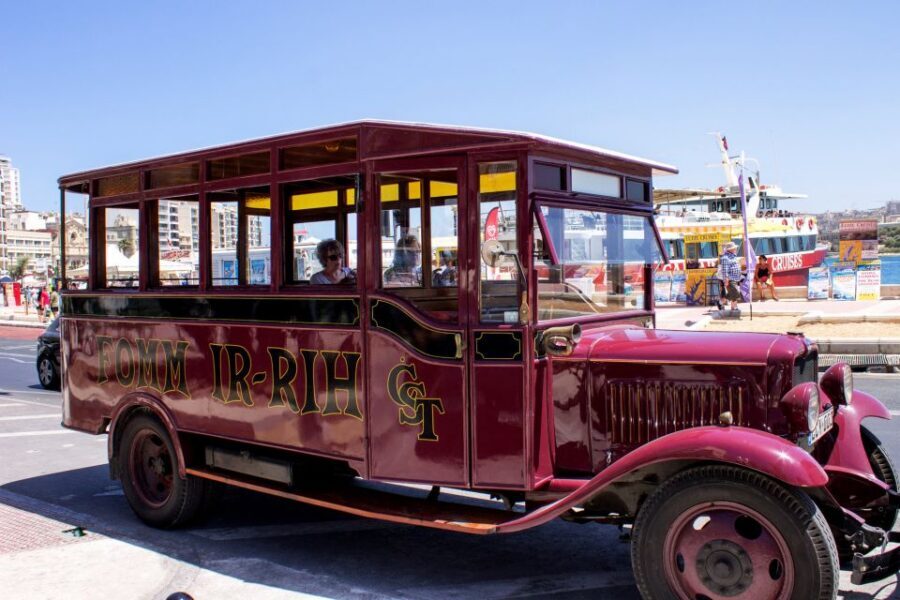
This tour leaves from Sliema Ferries by the seaside, near the Tanti Ice-Cream Kiosk. You’ll want to arrive around 14:15 so you’re not sprinting across the pier trying to spot the bus.
Look for David, the driver. He’s also the one handling the on-board commentary in English, and the smooth start matters here. When you’re riding a vintage vehicle, you want everyone seated and ready before departure so the ride stays comfortable (and safe) from the first minutes.
Timing is also simple: the tour runs on Tuesday at 14:30, and it isn’t offered on public holidays. If you’re planning around a specific day, build your schedule backward from that Tuesday departure.
Other Three Cities tours we've reviewed in Malta

The Drive Out: Valletta Views Plus Classic Harbor Neighborhoods
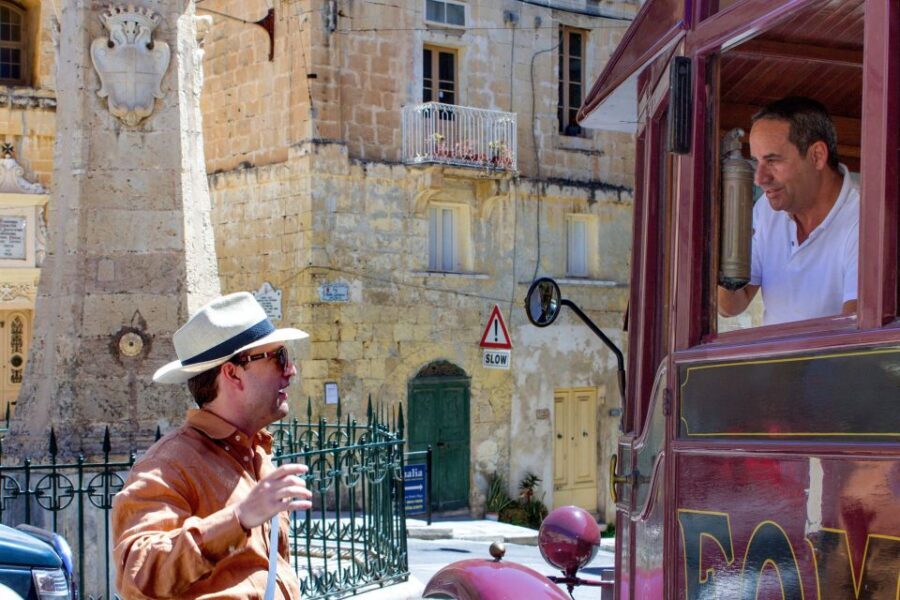
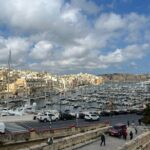
Before you reach the Three Cities, you’ll go past parts of Malta that help you understand where the fortifications fit into the island’s real geography. The route includes Valletta, Gżira, Ta’Xbiex, Msida, Pietà, Marsa, and Paola.
Why this part is worth it: seeing the harbor-side approach gives you a mental map. The Three Cities are easy to admire from afar, but harder to place unless you’ve also seen what’s around them. This driving stretch helps you connect the dots between Malta’s historic core and the waterfront defensive zone ahead.
You’ll also get the kind of passing views that you can’t always line up from inside a museum or a single walking route. This is the value of doing it by bus: you cover more ground while the guide keeps the story tied to what you’re seeing out the window.
Cospicua First: Fortification Walls and Neolithic Beginnings
Your first major stop is Cospicua, and the order matters. You start with the city that’s closely tied to Malta’s defensive planning and fortification walls, set against the deeper layers of time.
Cospicua is described as being inhabited since Neolithic times, then later wrapped in the kind of heavy fortification walls the Knights of Malta favored. That shift—from early settlement to organized defense—helps you understand why these towns were so strategic.
What you can look for during this leg:
- The way the city’s layout feels built for defense, not just daily life
- The visual rhythm of walls and streets that makes more sense once the guide explains what these places were meant to do
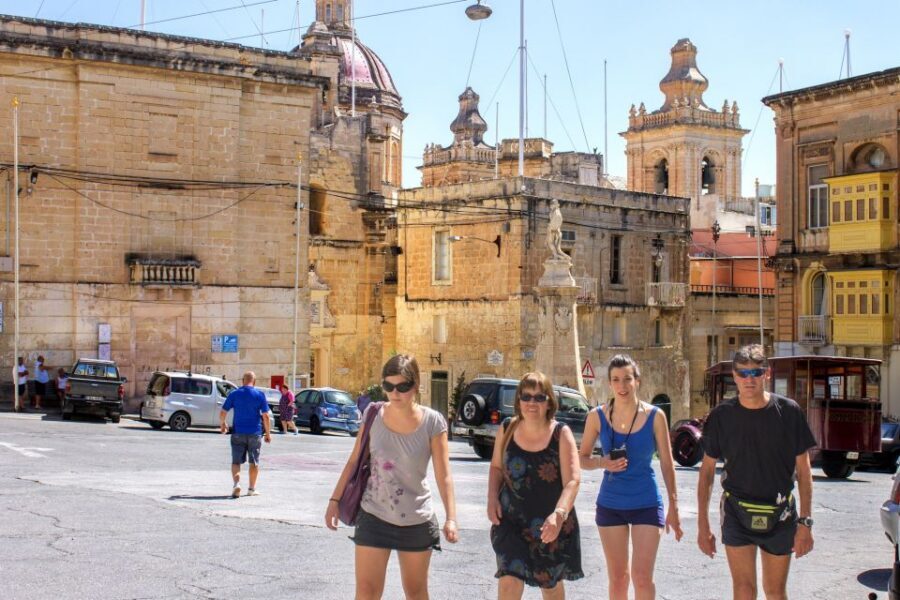
- Good opportunities to snap photos of the architecture and smaller squares without racing a clock
A practical note: the route and access can change due to road works. On some days, parts of the approach road may be closed. If that happens, don’t panic. The tour still keeps its focus on the Three Cities, but the exact on-street angles you get for photos may vary.
Vittoriosa, the Maritime Power: Waterfront, Galleys, and Museums
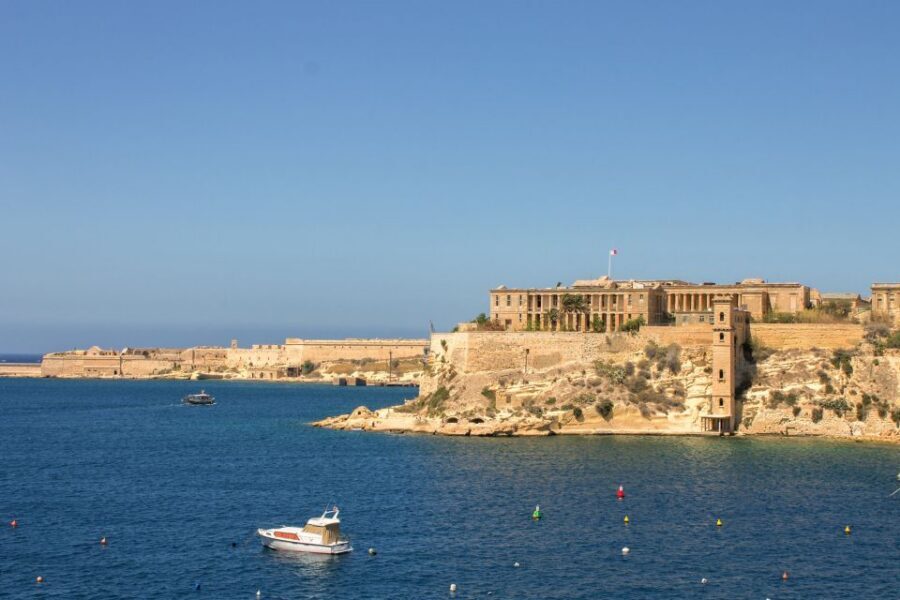
Next comes Vittoriosa, also known historically as one of Malta’s core maritime and military centers. This is where the tour leans hardest into the Knights’ era and the siege-era stakes.
Vittoriosa is tied to:
- the Vittoriosa Waterfront
- the Palace of the General of the Galleys
- the Order of St. John treasury
- and the Malta Maritime Museum
Here’s what makes this stop feel more than scenic: it’s not just about old stone. The guide links the place to Malta’s survival mindset—ships, supply, and command. You’re seeing why this town mattered long before modern borders and politics.
One key detail for your planning: museum entrance tickets aren’t included. So if Vittoriosa’s museum lineup is calling your name, you’ll need to purchase tickets separately. The bus ride itself still gives you the big picture and the photo-friendly exteriors, but you’re not paying your $24 for inside entry.
If you’re the type of person who likes history but gets bored when it turns into dates only, Vittoriosa is a good fit. The story connects to real functions: maritime activity, command buildings, and the infrastructure of defense.
Senglea’s Walled Town: The Land Bridge and L’Isola di San Giuliano
The final city on the Three Cities loop is Senglea, a walled town with a famous connection to Cospicua. During the time of the Knights of St. John, Senglea was joined to Cospicua by a land bridge. That detail matters because it turns today’s geography into a bigger defensive design.
Senglea also has a nickname you’ll hear: L’Isola di San Giuliano. For many years, the area was used as a hunting spot. So even though you’re in a fortification-focused tour, you’re not only looking at war-ready stone. You’re also seeing how these strategic spots supported everyday elite life—hunting, leisure, and control.
What you’ll likely enjoy most here:
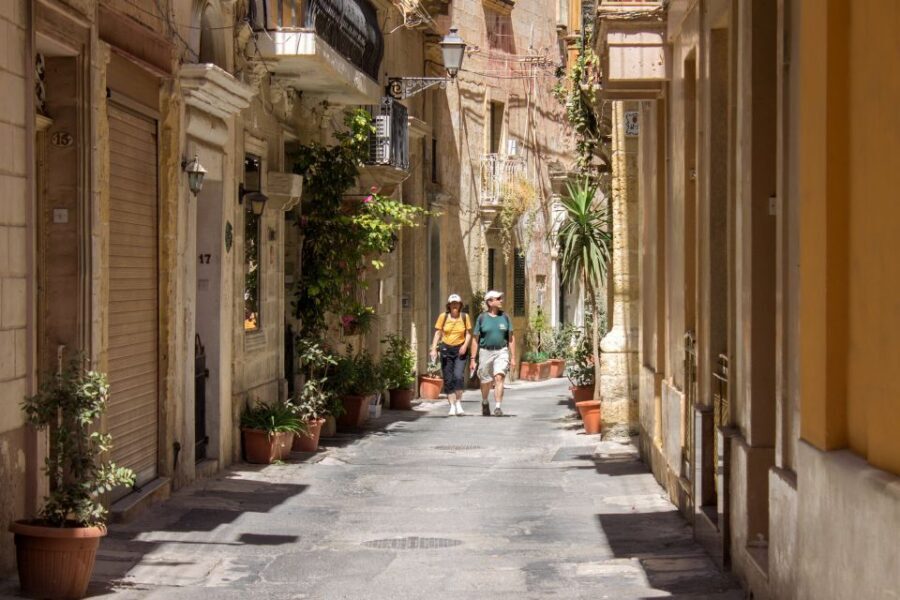
- The walled-town feeling—tight streets, enclosure, and that “built to hold” mood
- Photo angles of the town’s structure and small squares
- The way the guide ties Senglea’s role back into the Great Sieges story
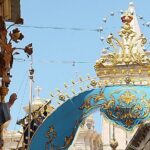
And yes, there can be moments of local street life depending on timing. One earlier experience noted a children’s celebration connected to Madonna festivities that affected the roadway. If a small street celebration shows up during your ride, it can turn into an extra window into local culture. Just be flexible with where you can stand for photos.
Other self-drive and electric car tours we've reviewed in Malta




Great Sieges 1565 and 1942: Why This Tour Feels More Coherent Than Usual
A lot of city tours throw history at you and hope it sticks. This one does something different: it frames what you’re seeing through two big siege periods—1565 and 1942—and explains how these towns were involved.
You’ll hear commentary connecting the Three Cities to Malta’s siege history, including how the same strategic logic played out across centuries. That’s the payoff. Instead of treating each century like a separate chapter, the tour makes it feel like the island reused lessons—especially around ports, supply, and defensive positioning.
The guide’s English commentary style also matters. The driver is careful, giving time for photos and short pauses, and he often sets the stage before you reach the key viewpoint. That makes the history easier to remember because it’s anchored to a street scene.
One more practical point: you’ll want to keep your phone camera ready. The tour is designed to give you snapshots, not just drive-by impressions.
Bus Comfort, Photo Breaks, and When Roads Get Messy
Let’s talk comfort honestly. You’re riding in a vintage bus, and that can mean firmer seating and more jolts over Malta’s roads and speed bumps. The good news: the driver in this experience is known for taking speed bumps slowly to keep the ride bearable.
Still, don’t ignore the basics:
- If you have back issues, the tour is not suitable
- If you’re sensitive to bumpy rides, bring a small cushion if you can
- Dress for warm weather if you’re prone to discomfort in enclosed spaces
On timing: there’s typically a photo-friendly rhythm with a short break during the ride. One earlier experience also mentioned about a 10-minute toilet stop you can use as needed. That kind of built-in buffer is actually a big deal when you’re on a moving tour—especially if you’re also planning to take pictures.
Also, keep your expectations realistic about fixed-route sightseeing. Road works happen. In one case, the road to Vittoriosa was closed, which can change the exact route you see on the day. The tour doesn’t stop being worth it, but your photo angles and street access might shift.
Finally, the bus can be busy if you arrive late or if it’s running at capacity. A good rule: be there when you’re supposed to be there, so you’re not dealing with last-minute hassles while the bus is ready to go.
Price and Value: Is $24 Worth 1.5 Hours?
At $24 per person for about 1.5 hours (with a “90-minute” tour focus), the value comes from three places.
First, you’re paying for guided interpretation, not just transport. The driver’s English commentary is the glue that turns three towns into one connected story of strategy and survival.
Second, you cover more than a walking loop would. The drive includes multiple areas (Valletta and several harbor-side neighborhoods), and you still get time to stop and photograph.
Third, the bus experience itself is part of the fun. A vintage 1928 bus isn’t just a novelty. It changes the pace of the trip. People tend to look around more, take more photos, and remember it as an event.
The one thing that can affect perceived value is inside access. Museum entrance tickets aren’t included, even though the ride highlights places like the Malta Maritime Museum and key waterfront and palace sites. If you want to go inside, you’ll pay extra on your own.
For many visitors, that’s still fine. This tour works best as an overview and inspiration, then you pick one or two places to explore deeper after you’ve learned where everything sits.
Should You Book This Vintage Three Cities Ride?
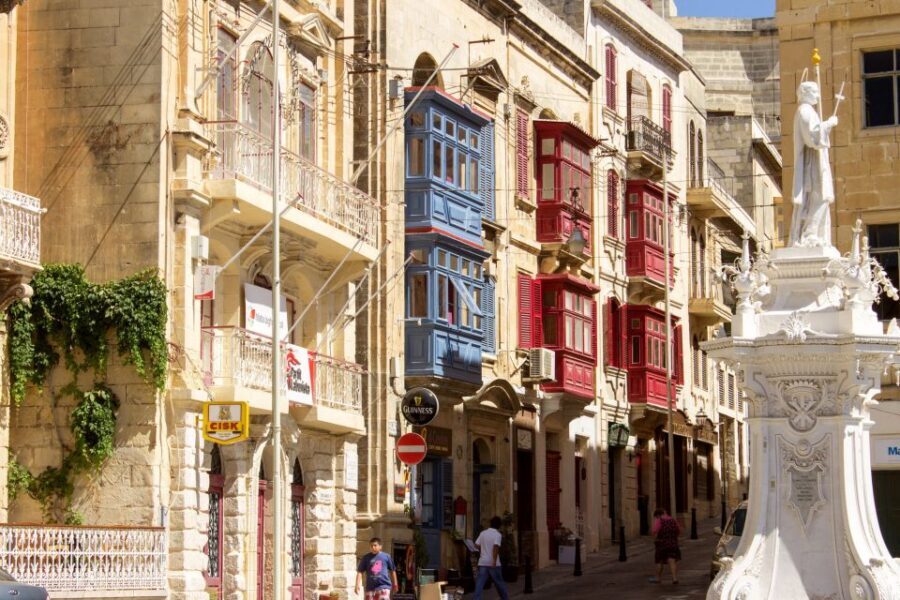
I’d book it if you want a simple, high-coverage way to see the Three Cities without committing to a long full-day plan. It’s also a smart choice if you like history that’s explained in plain English and tied to real streets, not just names on plaques.
Skip it (or think twice) if:
- you have back problems
- you’re extremely sensitive to bumps and tight seating
- you expect museum entry included (it’s not)
If you’re visiting Malta with a limited schedule and you want the Three Cities story—Cospicua’s defenses, Vittoriosa’s maritime power, and Senglea’s walled-town identity—this is one of the more enjoyable ways to get the full picture quickly, with a ride that feels like part of the memory.
FAQ
Where does the tour start?
It leaves from Sliema Ferries, at the seaside near the Tanti Ice-Cream Kiosk.
What time should I arrive?
Be there at 14:15 for a 14:30 departure.
How long is the tour?
The tour lasts about 1.5 hours (noted as a 90-minute bus tour).
How much does it cost?
The price is $24 per person.
What day of the week does it run?
It runs on Tuesday at 14:30.
Is it available on public holidays?
No, it is not available on public holidays.
What language is the driver’s commentary?
The driver provides commentary in English.
What’s included in the price?
You get the 90-minute tour on a vintage bus.
Are museum entrance tickets included?
No, museum entrance tickets are not included.
Is it suitable if I have back problems?
No, the tour is not suitable for people with back problems.
Is there free cancellation?
Yes. You can cancel up to 24 hours in advance for a full refund.