REVIEW · MALTA
Full Day Sicily Tour from Malta. Visit Mt Etna and Syracuse
Book on Viator →Operated by Virtu Ferries LTD · Bookable on Viator
Volcanoes and Greek ruins in one long day. This Malta to Sicily tour is a true whirlwind: you take a high-speed catamaran across to the east coast, spend time with a guide around Mt. Etna, then head to Syracuse for the baroque-and-Greek sights of Ortigia.
What I like most is the mix of scale and pacing you can actually feel. I love the way Etna is framed as an experience through villages, changing vegetation, and fertile slopes, not just a quick photo stop. I also like that you get practical free time in Ortigia, with a guided walk to Piazza Duomo so you can understand what you’re looking at. The main drawback is the clock: it’s a 17-hour day overall, and depending on conditions and timing, your crater or top-time can be tighter than you hope.
In This Review
- Key points
- From Malta at 6:30: why the start time matters
- Catamaran crossing and the guide handoff after docking
- Mount Etna time: what you get, what costs extra, and what to expect
- Syracuse and Ortigia: Greek origins you can feel while walking
- Piazza Duomo: the Greek temple–church story is the real attraction
- Comfort and pacing: the “almost all day” reality
- Value and included costs: where your money goes
- Should you book this Malta-to-Etna-and-Syracuse day trip?
- FAQ
- How long is the full day tour?
- What time does the tour depart Malta and return?
- How long is the ferry ride?
- Is there a change to the departure time on Thursdays?
- Where do I meet at the start?
- Do I need to bring money for lunch?
- Is Etna’s cable car included?
- Are admissions included for the stops?
- Who will I meet and when?
- What if the tour is canceled due to weather?
Key points
- 17-hour commitment: plan for a long day with lots of riding between stops.
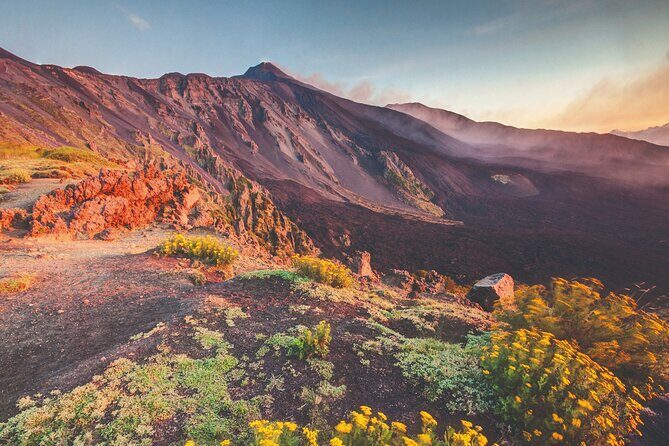
- Etna is guided from the approach: you go through towns and changing vegetation on the way in.
- Cable rides are not included: and may also be limited by time or operations.
- Ortigia free time is real: enough to wander for sunset, but check when the bus leaves.
- Piazza Duomo makes sense of Ortigia: Greek temple roots, then Byzantine and Norman layers after the 1693 earthquake.
- Transport comfort helps: air-conditioned vehicle plus a smooth catamaran crossing.
From Malta at 6:30: why the start time matters
If you’re thinking this is a casual day trip, it isn’t. Departure is early—06:30 from Malta—and you’re back at the meeting point late at night (around 23:15). That early start is the trade you make to fit Mount Etna and Syracuse into one day.
On a day like this, your energy budget matters more than you think. You’ll want water and a snack plan, because lunch isn’t included, and the gaps between the big sights are part of the experience. If you hate being rushed, pick your priorities now: Etna for the geology, or Ortigia for the walking.
Other Sicily day trips from Malta we've reviewed in Malta

Catamaran crossing and the guide handoff after docking
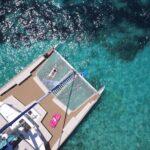
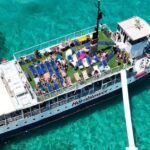
The crossing is by high-speed ferry and runs about 2 hours each way. One thing to know up front: you won’t necessarily see your guide the moment you step onto the boat. You handle your ferry boarding yourself, and the guide links up with you once you’re in Sicily and ready for the coach.
That sounds small, but it affects how calm you feel at the terminal. A couple of people noted confusion about where to check tickets and when to connect with the coach, so give yourself breathing room and follow the signage and staff directions at the terminal. If you like clarity, take a photo of your coach meeting point notes the moment you arrive in Sicily—future you will thank you.
For the return leg, there’s also a practical reminder: check-in needs to be done 1 hour before the ferry.
Mount Etna time: what you get, what costs extra, and what to expect
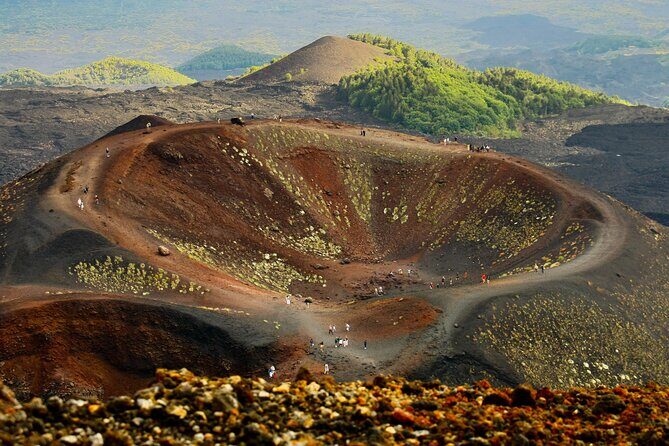
Mt. Etna is the largest and most active volcano in Europe, and this tour treats it as more than a single view. The approach route runs through picturesque villages and an ever-changing mix of terrain and vegetation—fertile lower slopes with citrus and vines, then forests of chestnut that gradually shift into other tree types as you go higher.
Here’s the key practical detail: cable rides are not included because there might not be enough time to reach the top of the mountain. So you should plan for walking and viewing from the accessible areas, not banking on a guaranteed crater-top ride.
How much time you actually spend “on Etna” can also vary with conditions. The schedule lists about 6 hours for the Etna portion, but some people felt they had closer to around two hours at the volcano before moving on. The honest takeaway: you’ll likely experience Etna as a series of stops and viewpoints, not a relaxed half-day where you can linger everywhere.
One more heads-up for your expectations: there can be operational issues with cable services. In one case, cabin cars were reported as closed for maintenance, so don’t assume the same access options will be available at the time you travel. If Etna is your top priority, bring layers—Etna can feel chilly, even when the coast is mild.
Syracuse and Ortigia: Greek origins you can feel while walking
After Etna, the drive toward Syracuse is about 2 hours. Syracuse is described as one of the loveliest cities in Sicily, and the biggest reason is simple: it has layers you can read while you walk. The origin story is Greek—settlers from 733 BC onward turned Sicily into Magna Graecia when Greek influence ruled across much of the Mediterranean.
You’ll spend time in Syracuse’s island core, Ortigia. The schedule lists about 1 hour for Ortigia, and in practice you may get additional wandering time depending on pacing. Either way, Ortigia is where the city mood clicks into place: narrower streets, sea air, and plenty of places to stop for photos.
One timing detail that matters: some people noticed that the bus departure from the Ortigia area is around 19:00, which means you’ll be balancing sunset strolling with restaurant timing. Plan for that rhythm. If you want sunset photos, don’t wait too long—build in a buffer.
Piazza Duomo: the Greek temple–church story is the real attraction
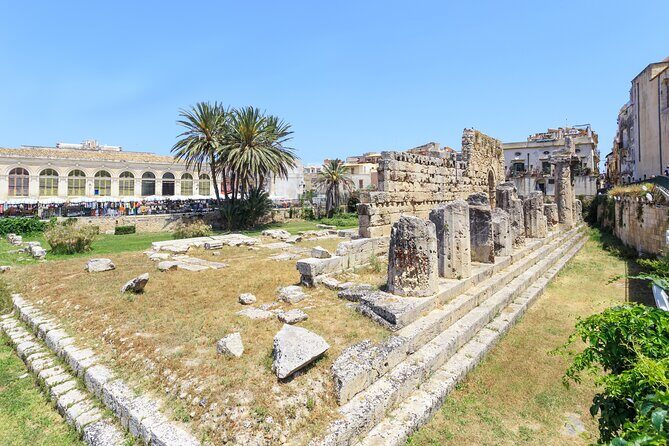
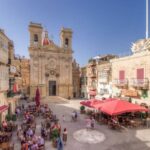
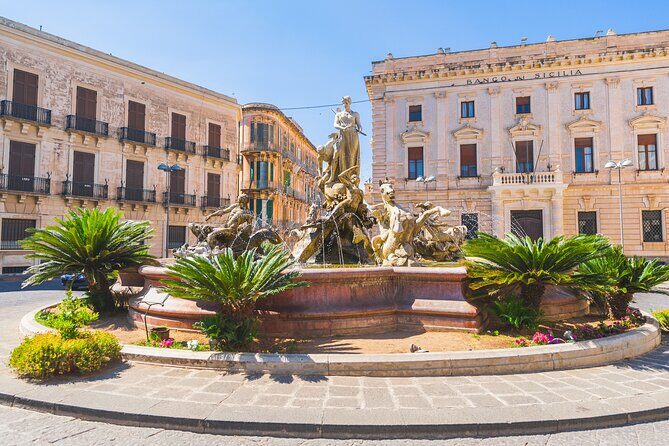
In the center of Ortigia sits Piazza Duomo, with the Duomo building at its heart. This is not just a church stop where you pass through quickly. It’s a layered lesson in how cultures reused the same stone.
Here’s what you’re seeing, in plain terms:
- It began as a Greek Temple of Athena.
- When Byzantines took over, they converted the temple instead of demolishing it.
- The Normans later modified the interior and added a more Christian façade.
- The façade was destroyed in the 1693 earthquake, and the baroque façade you see today was erected afterward.
That’s a lot of history for one building, but what makes it valuable on a day trip is that you’ll actually understand the shifts as you look. You’re not guessing why a temple looks partially church-like; you have the explanation in front of you.
The tour includes a guided visit here, and the schedule includes about 4 hours total at the Syracuse/Pozzallo-to-Malta turnaround window for this area. So aim to arrive ready to pause—this is one of those stops where 10 extra minutes changes your experience.
A few more Malta tours and experiences worth a look


Comfort and pacing: the “almost all day” reality
This is a 14-hour tour on paper, but the day feels closer to 17 hours from when you leave Malta to when you return. That mismatch is common in long-distance day trips, but it’s especially noticeable here because the stops are far apart.
The good news: you’ll have an air-conditioned vehicle for the long stretches, plus the ferry ride is smooth. The group size caps at 78 travelers, so it’s not a tiny private tour, but it’s not a giant cattle-car either.
The “what to prepare for” part is the downtime. Some people felt the day was heavy on transit time and light on crater time. If you’re the type who wants lots of unplanned freedom, this may feel structured. If you’re okay with that and want the benefit of a guide to compress the planning, you’ll likely feel satisfied—especially if Etna weather cooperates.
There’s also a practical note about restroom stops on the way to Etna. One person described a stop with very poor washroom conditions, so plan to use facilities when you can and consider bringing a small pack of wipes and hand sanitizer.
Value and included costs: where your money goes
Pricing can vary by booking date, and the details here show $0.00 in the summary field—so I’d treat that as a placeholder and check your actual checkout price. Either way, evaluate value using what’s clearly included:
- Local guide
- Air-conditioned vehicle
- High-speed ferry
- Admission tickets free for the scheduled sites
What is not included is lunch, plus meals and beverages, and cable rides at Etna. So your day’s costs can still add up, depending on whether you attempt a cable ride and what you choose to eat during your free time.
Is that worth it? For me, the value comes from getting two major anchors—Etna and Syracuse—with professional transport and interpretation bundled into one day. You’re also saving the mental load of coordinating ferry schedules, coach timing, and on-the-ground routing between Etna and Ortigia.
If you’re sensitive to strict timing, focus on Etna views over crater-top fantasies. If your priority is walking Ortigia with context, you’ll appreciate the Duomo explanation and the time to roam the island core.
Should you book this Malta-to-Etna-and-Syracuse day trip?
Book it if you want a guided taste of Sicily that’s hard to replicate on your own in a single day. You get a catamaran crossing, a real chance to experience Mt. Etna’s approach and viewpoints, and guided interpretation at Piazza Duomo so you don’t just see buildings—you understand why they look the way they do.
Skip or rethink it if you need a relaxed schedule or you’re mainly chasing the crater-top experience. The day is long, and multiple people felt time at Etna (and the timing around Etna access options) didn’t match what they hoped for. Also, if you’re not comfortable handling ferry boarding independently before the guide connects with you, this may feel stressful.
If the weather is good and you can handle an early start, this is a strong pick for a “see the big stuff” day. Sicily won’t be one stop—it’s an all-day story, and this tour fits the opening chapters fast.
FAQ
How long is the full day tour?
It runs about 14 hours (approx.) as listed, and the day is around 17 hours from leaving Malta to returning.
What time does the tour depart Malta and return?
Departure from Malta is 06:30 with arrival in Sicily around 08:15. The return departs Sicily at 21:30 and arrives Malta around 23:15.
How long is the ferry ride?
The ferry ride is approximately 2 hours each way.
Is there a change to the departure time on Thursdays?
Yes. On Thursday 28th March, departure from Pozzallo is listed as 20:30 instead of 21:30.
Where do I meet at the start?
The start is at Sicily Catamaran Marsa, Malta.
Do I need to bring money for lunch?
Yes. Lunch and drinks are not included, so you’ll need to budget for food on your own.
Is Etna’s cable car included?
Cable rides are not included. There might not be enough time to reach the top, and it’s also listed as not included.
Are admissions included for the stops?
Yes. The schedule notes admission tickets free for the Mt. Etna and Syracuse-related stops.
Who will I meet and when?
You may not meet the guide until you’re disembarked in Sicily and ready to join the coach. You handle your ferry boarding yourself.
What if the tour is canceled due to weather?
The experience requires good weather. If it’s canceled due to poor weather, you’ll be offered a different date or a full refund.